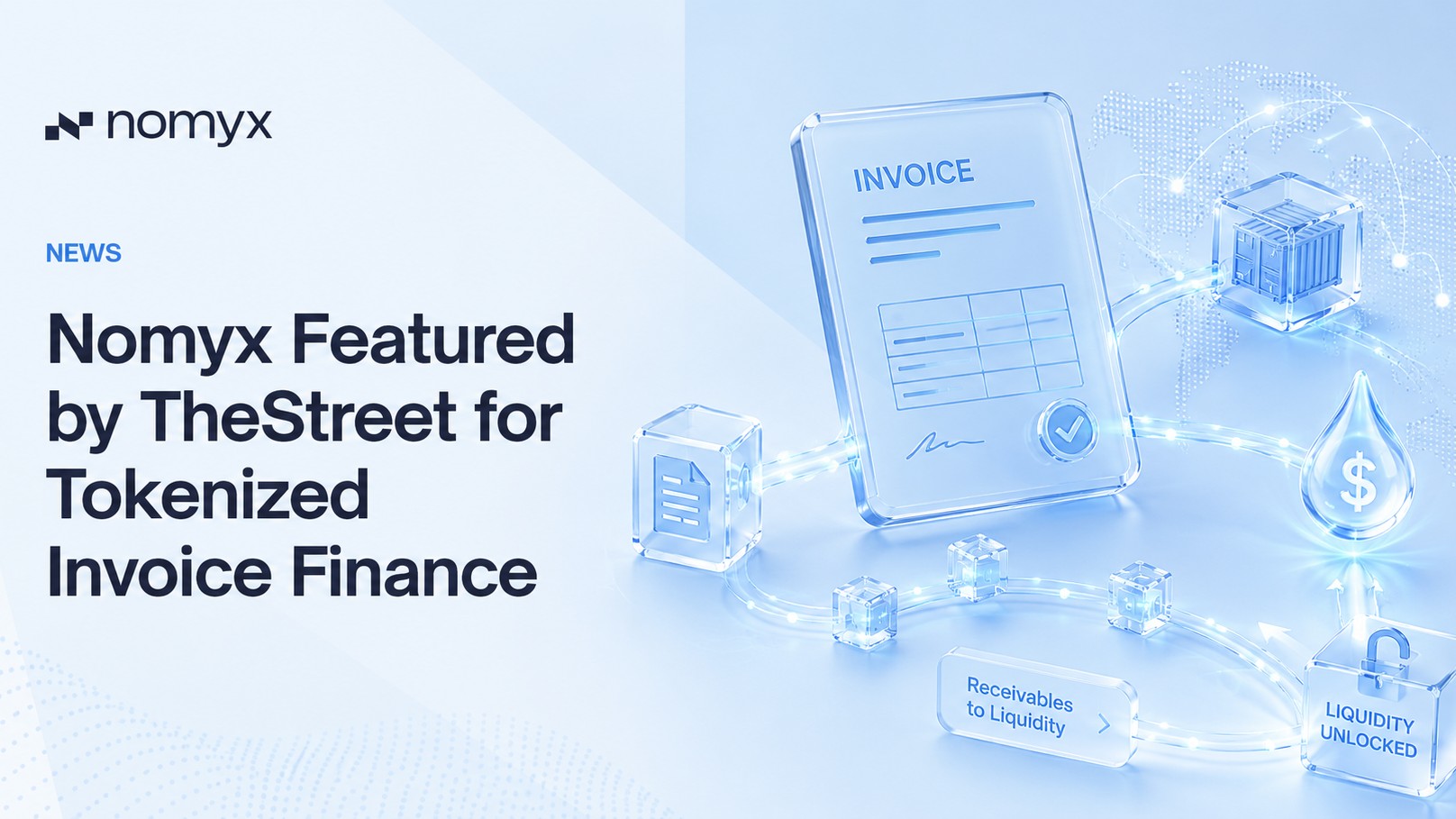
How Tokenized Trade Finance Invoices Work
Tokenized trade finance invoices convert outstanding receivables into digital tokens on a blockchain, allowing businesses to unlock working capital without waiting for traditional settlement cycles. Instead of holding onto unpaid invoices, a company can split an invoice into smaller, tradeable units that lenders or investors can purchase immediately. This process turns illiquid assets into liquid capital, reducing the time it takes to access funds from weeks to minutes.
The infrastructure relies on smart contracts that verify the authenticity of the invoice and automate the distribution of payments once the buyer settles the debt. By removing intermediaries like factoring companies, tokenization lowers fees and increases transparency. Lenders can see exactly when they will be repaid, while borrowers gain access to a broader pool of capital beyond traditional bank lines of credit.
For small and medium-sized enterprises (SMEs), this model offers a practical alternative to expensive factoring. However, it requires a solid digital infrastructure to ensure the underlying invoices are legitimate and that the tokenized assets comply with relevant financial regulations. The technology is still evolving, and understanding the legal framework is just as important as the technical setup.
Tokenized trade finance invoices choices that change the plan
Converting outstanding invoices into digital tokens on a blockchain offers immediate liquidity, but it shifts risk from operational delays to technical and regulatory complexity. Before committing to tokenization, lenders and SMEs must weigh the speed of capital access against the permanence of onchain settlements and the rigidity of smart contract logic.
Unlike traditional factoring, where a bank might negotiate terms mid-cycle, tokenized invoices often rely on automated execution. This efficiency comes with less room for error and requires rigorous due diligence on the underlying asset’s legal enforceability across jurisdictions.
Settlement Finality
Onchain settlement is atomic and irreversible. Once a tokenized invoice is transferred or collateralized, the transaction cannot be undone. This eliminates the need for reconciliation but means any error in the smart contract or oracle data is permanent. Traditional finance allows for chargebacks or manual reversals; tokenization does not.
Legal Enforceability
Token ownership must align with legal title. If the invoice is disputed or the debtor defaults, the token holder’s recourse depends on jurisdictional laws, not just code. Many platforms rely on legal wrappers to bridge this gap, but enforcement remains slower onchain than offchain. Ensure the tokenization framework includes clear legal recourse in case of default.
Counterparty Risk
Tokenization reduces counterparty risk by distributing ownership, but it introduces new risks like smart contract vulnerabilities or oracle failures. If the oracle feeding invoice status data is compromised, the token’s value becomes unreliable. Traditional trade finance mitigates this through bank guarantees; tokenization relies on cryptographic proofs and decentralized verification.
Liquidity Depth
While tokenized invoices can be traded on secondary markets, liquidity is often fragmented. Unlike broad asset classes like equities, trade finance tokens are niche and may have fewer buyers, leading to wider spreads and lower execution prices. Evaluate the depth of the secondary market before relying on tokenization for working capital.
| Factor | Tokenized | Traditional |
|---|---|---|
| Settlement | Atomic, irreversible | Batched, reversible |
| Legal Recourse | Jurisdiction-dependent | Bank-guaranteed |
| Counterparty Risk | Smart contract/oracle | Bank/Debtor |
| Liquidity | Fragmented, niche | Deep, institutional |
Choose the next step for tokenized trade finance
Turning research into a practical decision framework requires matching your current infrastructure to the right tokenization model. The market has split into distinct approaches, each serving different operational needs. Selecting the wrong path can lock you into expensive legacy systems or expose you to unproven smart contract risks.
1. On-chain invoice settlement
This approach converts outstanding invoices directly into digital tokens on a public or permissioned blockchain. It is designed for immediate collateralization and liquidity. Best for lenders who want to bypass traditional clearinghouses. The primary trade-off is regulatory complexity and the need for robust oracle integration to verify invoice authenticity.
2. Hybrid ledger integration
Hybrid models keep the core accounting on existing ERP systems while using blockchain for settlement and proof of ownership. This reduces disruption for established enterprises. It is ideal for mid-sized firms with existing banking relationships. The downside is higher technical overhead to maintain synchronization between off-chain ledgers and on-chain tokens.
3. Supply chain finance platforms
These are specialized SaaS platforms that tokenize receivables within a closed ecosystem of buyers and suppliers. They offer the fastest time-to-value with minimal custom development. Suitable for SMEs seeking working capital without building internal infrastructure. The risk is vendor lock-in and limited interoperability with other financial networks.


As an Amazon Associate, we may earn from qualifying purchases.
4. Decentralized lending pools
Tokenized invoices are deposited into decentralized finance (DeFi) lending pools to access liquidity from global investors. This offers the deepest liquidity pools and 24/7 access to capital. It is best for tech-forward lenders and crypto-native businesses. The main concern is smart contract risk and the volatility of crypto-collateralized loans.
5. Private blockchain consortiums
Consortiums like we.trade or Marco Polo allow multiple banks to share a private ledger for trade finance. This provides high privacy and control over data. It is suitable for large banks and corporations prioritizing security and compliance. The limitation is network effects; you must join an existing consortium to see value.
Spotting Weak Options in Tokenized Trade Finance
The market for tokenized trade finance invoices is expanding, but not every solution delivers on its promises. Many platforms rely on misleading claims about instant liquidity or fully automated compliance. Before committing capital or integrating a new system, you need to look past the marketing gloss and examine the underlying mechanics.
The "Instant Liquidity" Mirage
Many providers advertise immediate cash access upon tokenization. In reality, this often depends on secondary market depth. If few buyers exist for your specific tokenized invoice, you may face significant discounts or long wait times. True liquidity requires a robust network of institutional lenders, not just a blockchain ledger.
Overstated Automation Claims
Some platforms claim end-to-end automation, yet still require manual document verification. This hybrid approach defeats the purpose of tokenization. Look for solutions that integrate directly with ERP systems for real-time data validation. If you still need to upload PDFs, the process is not truly automated.
Hidden Compliance Gaps
Tokenization does not automatically equal compliance. Many platforms lack proper KYC/AML integration for all participants. Ensure the platform supports identity verification for both sellers and buyers. Without this, you risk regulatory penalties and frozen assets. Always verify the legal framework governing the tokens in your jurisdiction.
Tokenized trade finance invoices: common: what to check next
Tokenizing trade invoices moves receivables from static paper or PDFs to on-chain assets, but the transition raises practical questions about cost, compliance, and risk. Below are the most frequent objections buyers and lenders raise before committing capital to tokenized invoice markets.
No comments yet. Be the first to share your thoughts!