What Tokenized Trade Finance Invoices Actually Are
Tokenized trade finance invoices turn unpaid commercial claims into digital assets on a blockchain. Instead of holding a paper PDF or a static database entry, a company issues a token that represents a specific right to receive payment. This digital representation is immutable and transparent, allowing the invoice to be tracked, verified, and moved across networks without the friction of traditional intermediaries.
The process begins when a supplier delivers goods and generates an invoice. Rather than waiting days for bank verification or manual reconciliation, this claim is minted as a token. Each token carries metadata about the underlying trade transaction, including the due date, the debtor, and the agreed terms. This structure transforms illiquid receivables into assets that can be financed, traded, or settled in real time.
For buyers and lenders, the shift is practical. Tokenization reduces the risk of double-financing because the blockchain ledger provides a single source of truth. A token can only be spent or financed once, eliminating the fraud risks common in traditional paper-based trade finance. As the 2026 market evolves, this infrastructure is becoming the standard for onchain credit, enabling faster liquidity for businesses that rely on tight cash flow cycles.
Tokenized trade finance invoices choices that change the plan
Moving unpaid invoices onto a blockchain introduces specific operational and financial tradeoffs. Before integrating tokenized trade finance invoices into your treasury stack, evaluate these four factors against your current legacy processes.
Liquidity depth and secondary market access
Traditional invoice financing relies on a limited pool of banks or factoring companies. Tokenization opens the asset to a broader range of institutional and decentralized liquidity providers. However, this access is not guaranteed. Thinly traded tokens can suffer from slippage or lack of buyers during market stress. Evaluate whether your target asset class has enough volume to support rapid exit without significant price impact.
Regulatory compliance and jurisdictional risk
Onchain assets do not exist in a regulatory vacuum. The legal enforceability of a tokenized claim varies by jurisdiction. Some regions recognize smart contracts as binding evidence of debt, while others require traditional paper trails. Non-compliance can freeze assets or trigger legal penalties. Ensure your tokenization infrastructure includes KYC/AML gates and legal wrappers that align with the jurisdictions of both the issuer and the investor.
Interoperability with legacy ERP systems
Tokenization fails if it cannot communicate with existing accounting software. Many trade finance platforms operate in silos, disconnected from modern ERP systems. A successful integration requires real-time data synchronization between onchain ledgers and offchain accounting records. Without this bridge, your finance team will face double-entry errors and reconciliation delays that negate the efficiency gains of blockchain.
Counterparty risk and oracle reliability
In tokenized finance, the smart contract is only as secure as the data feeding it. Oracle feeds that verify invoice authenticity and payment status are critical single points of failure. If an oracle is compromised or delayed, the token’s value may decouple from the underlying asset. Choose infrastructure providers with redundant oracle networks and clear disaster recovery protocols to mitigate this risk.
| Factor | Benefit | Risk |
|---|---|---|
| Liquidity | Broader investor base | Slippage in thin markets |
| Compliance | Automated KYC/AML | Jurisdictional ambiguity |
| Integration | Real-time reconciliation | ERP sync failures |
| Oracle Security | Transparent data feeds | Single point of failure |
Choosing the Right Tokenization Path
Tokenizing trade finance invoices isn't a single product choice; it's an infrastructure decision. Your approach depends on whether you are a bank managing internal liquidity, a supplier seeking faster payment, or a fintech building a marketplace.
Use this framework to decide where you fit. Each path has distinct technical and regulatory implications.
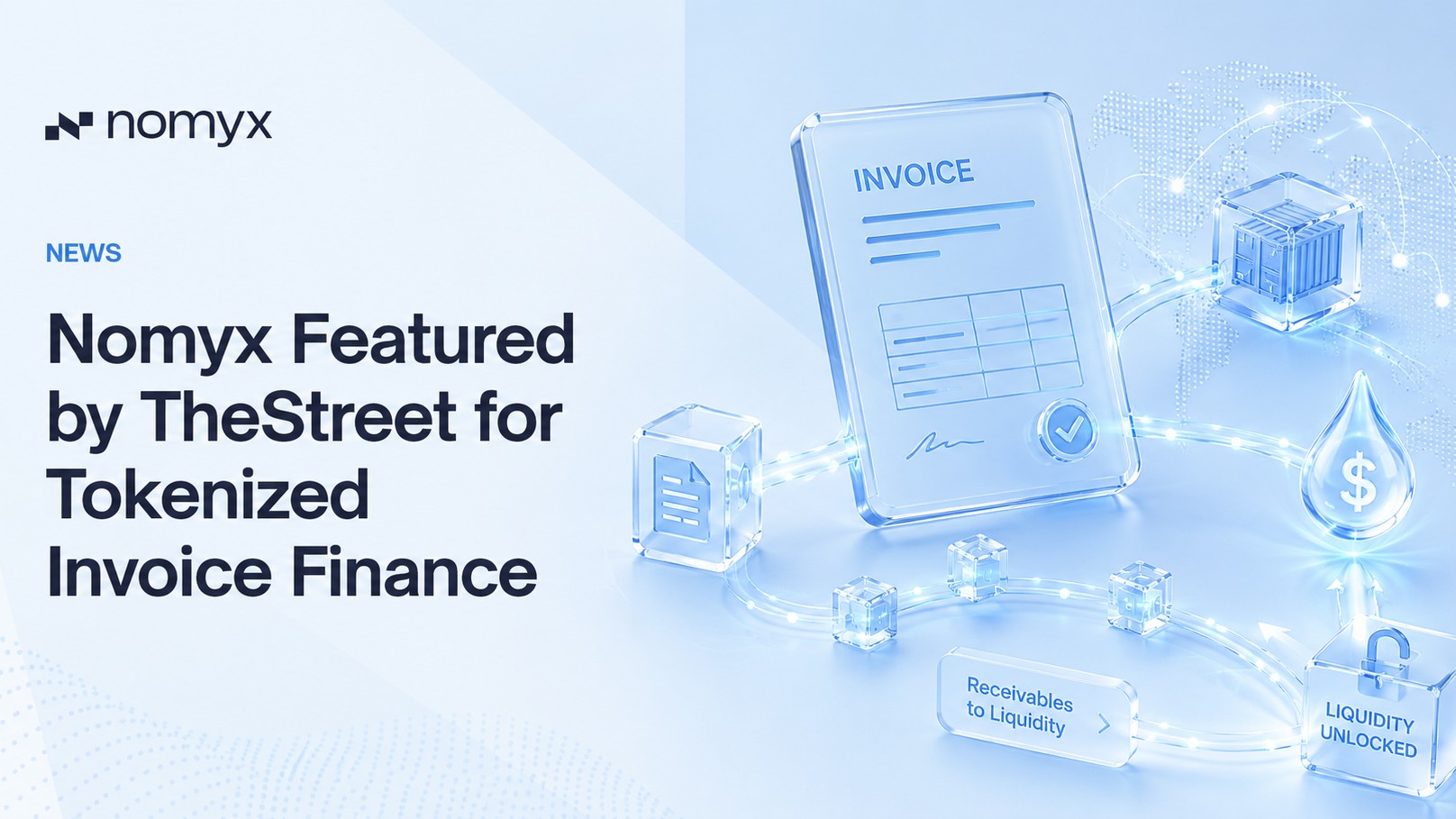
Banks often start by tokenizing their own receivables to unlock balance sheet efficiency. This path requires deep integration with core banking systems and strict compliance with Basel III liquidity rules. The benefit is control, but the cost is high development overhead. Use this if you have the engineering resources to build a private or permissioned chain.

Fintechs and supply chain platforms build marketplaces where multiple buyers and sellers interact. Here, the token represents a claim that can be traded, discounted, or financed by third parties. This model requires robust onboarding workflows and KYC/AML checks for every participant. It’s ideal if you want to create network effects rather than just internal efficiency.

If you’re a non-fintech company, you likely want tokenization without building it. Embedded finance providers offer APIs that wrap invoice data into tokens on behalf of your users. This reduces your technical burden significantly. The tradeoff is less control over the underlying blockchain and higher per-transaction fees.
Some platforms bridge tokenized invoices to decentralized finance (DeFi) protocols, allowing global investors to earn yield on real-world trade assets. This opens up a much larger capital pool but introduces smart contract risk and volatility. Use this only if your audience is comfortable with crypto-native risk profiles and you have strong legal wrappers.
| Path | Control | Dev Cost | Risk |
|---|---|---|---|
| Bank-led | High | High | Low |
| Marketplace | Medium | Medium | Medium |
| API | Low | Low | Low |
| DeFi | Low | Medium | High |


As an Amazon Associate, we may earn from qualifying purchases.
Watchouts for Tokenized Trade Finance Invoices
The promise of tokenized trade finance invoices is clear: liquidity through onchain credit. However, the market is crowded with misleading claims that conflate simple digitization with actual blockchain utility. Before committing capital or infrastructure, distinguish between real tokenization and digital record-keeping.
Claiming "Blockchain" for Centralized Ledgers Many platforms label themselves as tokenized finance while running private, permissioned databases. True tokenization requires an immutable, public or consortium blockchain where ownership transfers are cryptographically verifiable. If the ledger isn't decentralized, you aren't getting the anti-censorship benefits of onchain credit.
Ignoring Offchain Legal Enforceability A token is only as good as the legal claim it represents. Some platforms issue tokens without robust legal frameworks tying the digital asset to the underlying invoice debt. If the smart contract breaks or the issuer defaults, ensure there is a legal pathway to seize the real-world asset. Without this, the token is just a speculative IOU.
Overlooking Oracle Manipulation Risks Trade finance relies on real-world data like shipping status and invoice maturity. If the oracle feeding this data to the smart contract is compromised or slow, token values can become inaccurate. Always verify the oracle provider's reputation and redundancy. A single point of failure in data input can invalidate the entire onchain settlement process.
Tokenized trade finance invoices: practical: what to check next
Before committing to onchain infrastructure, teams need clear answers on mechanics and risk. This section addresses the most common operational questions regarding tokenized trade finance invoices.
No comments yet. Be the first to share your thoughts!