Defining tokenized trade finance invoices
Tokenized trade finance invoices represent a digital claim on an unpaid invoice, recorded on a blockchain rather than sitting in a traditional ledger. The process converts a real-world receivable into a digital asset that can be financed or traded. This distinction is important: the token is not the debt itself, but a programmable representation of the right to collect that debt.
Think of the token as a digital receipt for the invoice. The underlying invoice remains the legal contract between the buyer and seller. The token sits on top of that contract, allowing it to move faster and more transparently. When a company tokenizes an invoice, it is essentially breaking the asset into smaller, tradable units or keeping it whole for institutional investors, depending on the structure.
This separation allows for greater liquidity. Traditional invoice financing often involves lengthy verification processes because each invoice is a unique, static document. In contrast, a tokenized invoice can be verified instantly through smart contracts and on-chain data. This shifts the focus from manual paperwork to automated, code-based validation, reducing the friction that has historically slowed down trade finance.
The technical stack behind onchain invoices
Tokenizing a trade finance invoice isn't just about moving a PDF to a blockchain. It requires a specific infrastructure layer to ensure the digital token accurately reflects the real-world debt. The system relies on three distinct components: the settlement layer, the smart contract logic, and the data bridges that keep everything in sync.
Settlement and smart contract logic
The foundation is the blockchain itself, which acts as the immutable ledger for ownership. Smart contracts on networks like Ethereum or Polygon define the rules of the token. They handle the transfer of title, verify permissions, and manage the lifecycle of the invoice from issuance to settlement. This code replaces traditional intermediaries like clearinghouses, automating the transfer of ownership when conditions are met.
Bridging off-chain data with oracles
The hardest part of this infrastructure is connecting the digital token to the physical invoice. Since the underlying debt exists in traditional banking systems, not on the blockchain, oracles are required to feed that data on-chain. These services verify that the invoice is genuine, the goods have been delivered, and the payment terms are valid before the token can trade or settle.
Ensuring data accuracy
If the data feeding the token is incorrect, the entire system fails. Therefore, the infrastructure must prioritize verification. This often involves integrating with legacy enterprise resource planning (ERP) systems used by suppliers and buyers. The goal is to create a seamless flow of information where the token's status updates automatically as the trade finance transaction progresses through its lifecycle.
Market dynamics and liquidity trends
Tokenized trade finance is moving from experimental pilots into a structured secondary market. The primary shift is the transition from static, bilateral factoring agreements to liquid, on-chain receivables. Traditional factoring locks capital for fixed terms, often leaving suppliers waiting for maturity. Tokenization breaks these long-dated assets into transferable units, allowing capital to rotate faster and reach deeper into the supply chain.
Liquidity now comes from two distinct pools. First, institutional debt funds use tokenized invoices to diversify their fixed-income exposure with short-duration, trade-backed assets. Second, decentralized finance (DeFi) protocols offer yield-seeking capital that previously had no access to real-world trade data. This dual liquidity model reduces reliance on traditional banks and lowers the cost of capital for tier-2 and tier-3 suppliers.
The infrastructure supporting this shift relies on standardized legal wrappers and on-chain settlement layers. Platforms like Nomyx demonstrate how clean data and regulatory compliance can bridge traditional finance with blockchain liquidity. The integration allows investors to view invoice status, payment history, and risk metrics in real time, reducing the friction that once made trade finance opaque.
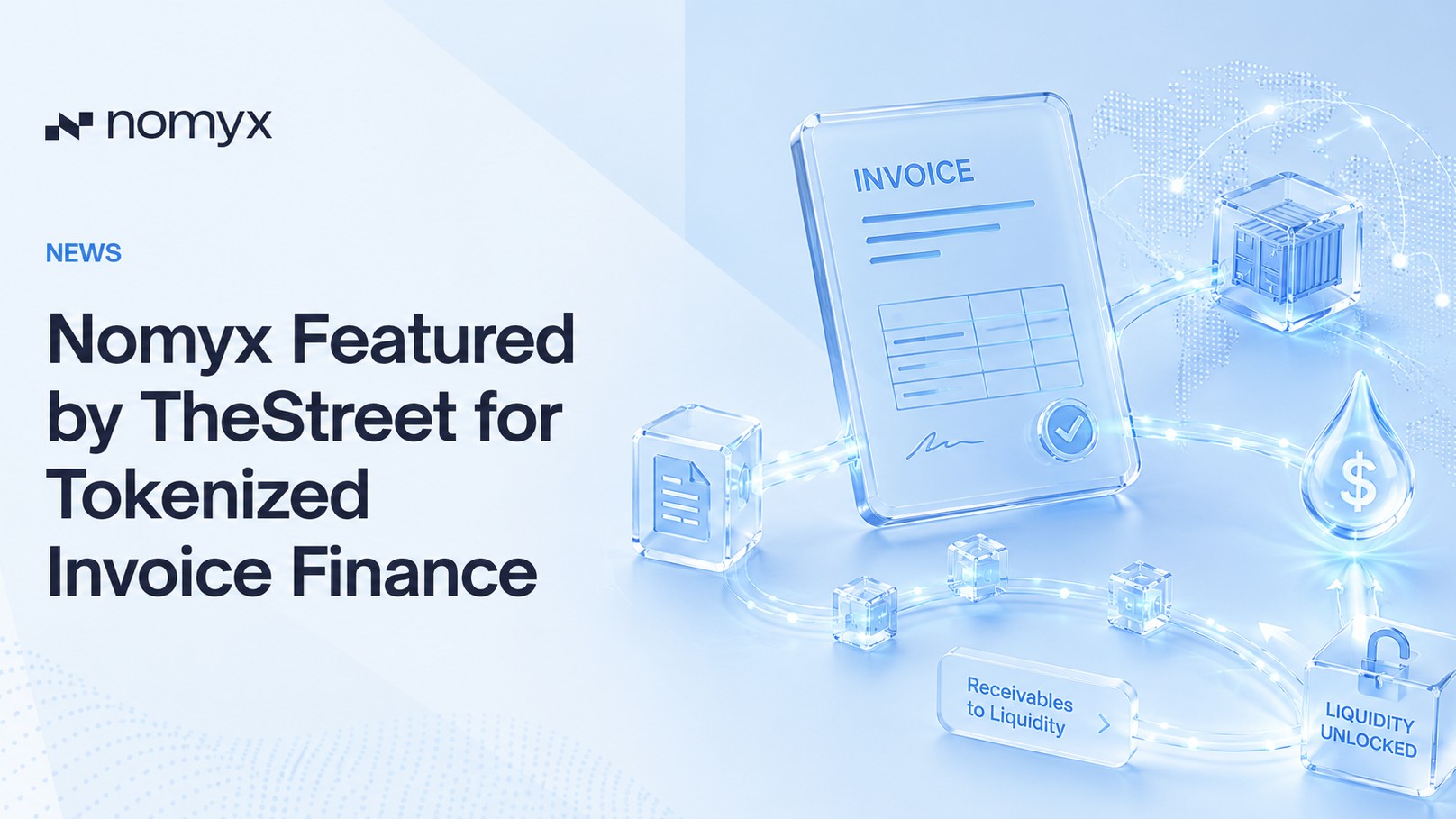
As the market matures, the focus is shifting from mere issuance to secondary trading. The ability to buy and sell tokenized invoices before maturity creates a more dynamic pricing mechanism. This liquidity premium benefits suppliers who need immediate cash and investors who seek flexible, short-term yield. The trend signals a fundamental change in how trade finance capital is allocated and managed.
Deep-Tier Suppliers
Tokenization reshapes working capital access for suppliers far removed from the primary buyer. Traditional trade finance often stops at tier-one vendors, leaving smaller, deep-tier partners without collateral or credit history. By tokenizing invoices, blockchain infrastructure extends credit lines down the supply chain, allowing these smaller entities to access liquidity earlier.
This shift matters because deep-tier suppliers often operate on thin margins. Without direct relationships with large banks, they face higher borrowing costs or longer payment terms. Tokenized invoices allow their receivables to be verified and traded independently, creating a new asset class that lenders can evaluate based on the underlying transaction rather than the supplier's balance sheet.
The result is a more resilient supply chain. When smaller vendors have reliable access to cash, they can maintain production and meet delivery schedules, reducing the risk of upstream disruptions that eventually impact the primary buyer.
| Feature | Traditional Factoring | Tokenized Financing |
|---|---|---|
| Cost | High fees (3-5%) | Lower fees (1-2%) |
| Speed | Days to weeks | Hours to days |
| Accessibility | Tier-1 only | Deep-tier enabled |
Implementation checklist for finance teams
Adopting tokenized trade finance invoices requires a structured transition from legacy AP/AR systems to blockchain-based infrastructure. This checklist guides financial officers through the essential phases of evaluation, integration, and deployment.
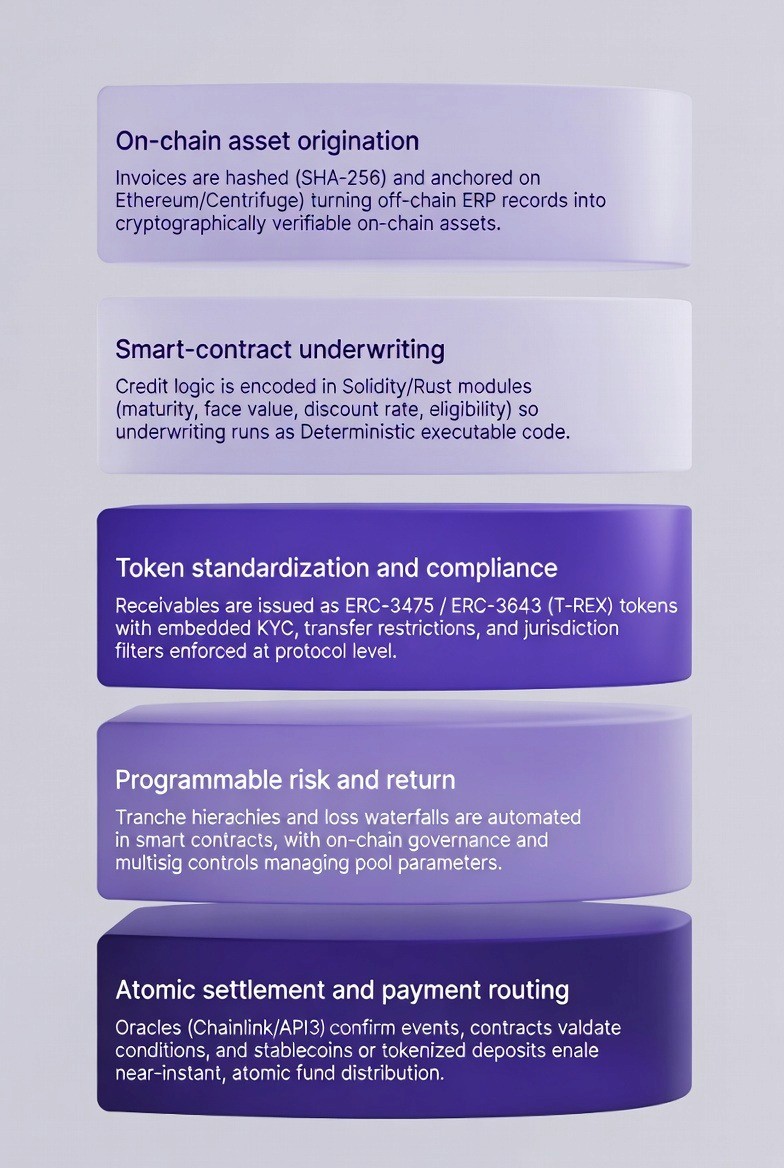
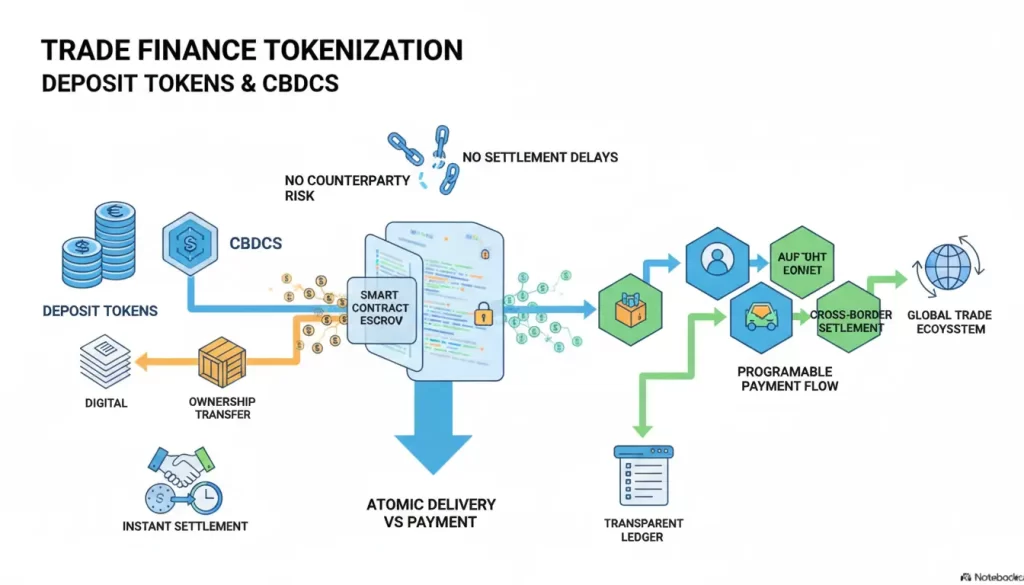
Implementing these steps systematically reduces risk and accelerates the value realization of tokenized trade finance. Finance teams should treat this as an iterative process, adjusting parameters based on real-world performance data.
Common questions about trade invoice tokenization
Trade Finance Tokenization refers to the process of converting real-world trade assets into blockchain-based digital tokens. These assets may include invoices and accounts receivable, allowing for greater liquidity and transparency in global trade. Source: Spydra
No comments yet. Be the first to share your thoughts!