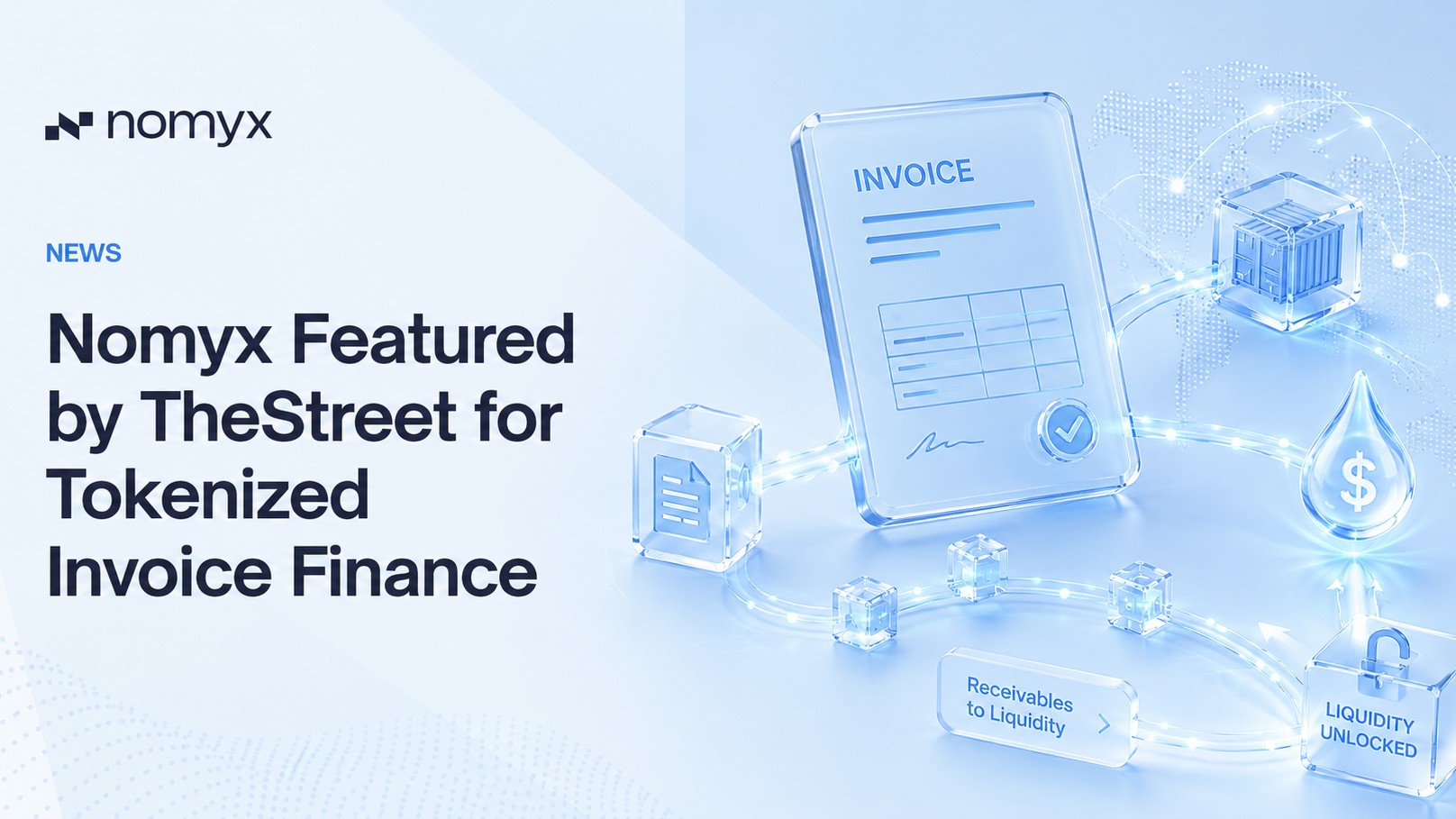
How tokenized invoices change trade finance
Tokenized trade finance invoices represent a shift from paper-based receivables to on-chain digital assets. At its core, the process involves converting outstanding invoices into digital tokens on a blockchain. This transformation allows suppliers to collateralize their receivables for immediate funding, effectively bypassing the traditional wait periods associated with net-30 or net-60 payment terms.
This mechanism addresses a persistent liquidity gap in global trade. By moving receivables on-chain, suppliers can unlock cash flow much faster than traditional banking channels allow. The digital tokens serve as verified proof of debt, reducing the friction typically found in invoice discounting and factoring. This infrastructure update is particularly critical for small and medium-sized enterprises (SMEs) that often struggle with cash flow volatility due to delayed payments from larger buyers.
The shift toward tokenization is not merely about digitization; it is about creating a more efficient capital market for trade receivables. As noted by industry experts, this approach allows for greater transparency and reduces the risk of fraud, which has long plagued traditional trade finance. The result is a system where liquidity is no longer tied to the slow pace of manual verification and interbank correspondence.
Infrastructure layers powering the market
Tokenizing trade finance invoices isn't just about slapping a digital label on a PDF. It requires a specific technical stack that bridges traditional banking logic with blockchain transparency. The infrastructure relies on three main pillars: the legal wrapper (SPV), the smart contract standards, and the oracle networks that verify real-world data.
The SPV Structure
At the core of most tokenized trade finance solutions is a Special Purpose Vehicle (SPV). This legal entity purchases the commercial invoices from the seller at a discount, isolating the assets from the seller's broader balance sheet. This separation is critical for lenders and investors, as it ensures that the underlying receivables remain intact even if the original seller faces financial distress. The SPV then issues digital tokens representing ownership of those invoices. This structure allows for fractional ownership, meaning multiple investors can fund a single invoice, improving liquidity for small and medium-sized enterprises (SMEs) that might otherwise struggle to access working capital.
Smart Contract Standards
Once the assets are in the SPV, smart contracts manage the lifecycle of the tokens. These self-executing agreements automate payments, interest calculations, and compliance checks. For trade finance, standards like ERC-1400 (Security Tokens) or ERC-3643 (T-REX) are increasingly common because they embed compliance directly into the token. This means that transfers can be automatically blocked if a buyer isn't KYC/AML verified, reducing regulatory risk. The code ensures that when a buyer pays the invoice on the due date, the funds are automatically distributed to token holders, removing the need for manual reconciliation.
Oracle Integration
Blockchain is only as reliable as the data fed into it. Oracle networks act as the bridge between the off-chain world of trade documents and the on-chain world of smart contracts. They verify that the invoice is genuine, that the goods have been shipped, and that the buyer has accepted the delivery. Without this verification, tokenized invoices would be no more trustworthy than the original paper documents. Leading oracle providers now integrate directly with ERP systems and supply chain platforms, providing real-time data feeds that update the token's status instantly. This reduces fraud and ensures that investors are always looking at accurate, up-to-date information.
The chart above shows the performance of a broad fintech innovation index. While not a direct tracker of tokenized trade finance, it reflects the broader market sentiment toward blockchain-based financial infrastructure. As regulatory clarity improves and institutional adoption grows, we expect more specialized indices to emerge that directly track the performance of tokenized receivables.
Key players and institutional adoption
The tokenization of trade finance invoices has moved beyond experimental pilots into active deployment by major financial institutions. This shift is driven by the need for greater transparency in ownership history and the reduction of duplicate presentation risks, challenges that have long plagued traditional trade finance.
BNY, for example, highlights how tokenization supports more efficient transfer processes by creating a single source of truth for asset ownership. This institutional backing signals a move toward standardized infrastructure rather than isolated experiments. Fintechs are partnering with these legacy banks to provide the necessary digital rails, combining regulatory compliance with blockchain efficiency.
To understand the current landscape, it helps to compare how different platforms approach tokenized receivables. The table below outlines the primary distinctions between leading institutional and fintech-driven platforms.
| Platform Type | Primary Focus | Liquidity Source | Target Asset Class |
|---|---|---|---|
| BNY | Institutional infrastructure | Bank balance sheets | Large corporate invoices |
| TradeGo | Digital trade platform | Institutional investors | SME export invoices |
| Contour | Document exchange | Letters of credit | |
| Marco Polo | Supply chain finance | Banking partners | Working capital invoices |
These platforms are not just digitizing paper; they are redefining how liquidity flows through supply chains. By tokenizing assets, institutions can unlock trapped value in receivables that were previously too illiquid or complex to finance at scale. The result is a market where speed and transparency are no longer trade-offs, but baseline expectations for 2026 and beyond.
Risk management and regulatory compliance
Tokenized trade finance invoices move at the speed of code, but the underlying assets are bound by traditional legal frameworks. For finance professionals, the primary risk isn't just market volatility—it's the structural integrity of the deal. If the link between the digital token and the physical invoice breaks, the asset loses its value. Mitigating this requires a combination of legal isolation, reliable data verification, and strict regulatory adherence.
Legal isolation and SPV structures
To protect investors from the originator's bankruptcy, tokenized invoices are typically held in a Special Purpose Vehicle (SPV). This legal entity purchases the receivables and issues tokens representing ownership. Because the SPV is legally separate, the assets are "bankruptcy remote." If the original company fails, the invoice tokens remain safe. This structure is critical for institutional adoption, as it transforms illiquid receivables into secure, tradable instruments.
Oracle reliability and double-spending prevention
In blockchain systems, "double-spending" occurs if the same invoice is used as collateral for multiple loans. Smart contracts prevent this by locking the token once it's pledged. However, the system relies on oracles to verify that the invoice is genuine and that the goods have been shipped. If an oracle feeds false data, the token might be released prematurely. Reliable oracles must pull data from verified supply chain events, not just unverified uploads, to ensure the digital twin matches reality.
Regulatory compliance and audit trails
Regulators are scrutinizing tokenized assets for money laundering and fraud. Platforms must integrate KYC (Know Your Customer) and AML (Anti-Money Laundering) checks directly into the token issuance process. This means every wallet interacting with the invoice must be verified. The immutable nature of the blockchain provides a clear audit trail, making it easier for auditors to track the flow of funds and verify compliance. This transparency is often cited as a key advantage over traditional paper-based trade finance, which relies on fragmented and opaque records.
Market outlook and liquidity trends
The 2026 landscape for tokenized trade finance is defined by a shift from pilot programs to integrated liquidity. On-chain credit is no longer an isolated experiment but is increasingly bridging with traditional banking rails. This convergence allows commercial invoices to function as collateral across both decentralized and centralized financial systems, unlocking capital that was previously trapped in siloed ledgers.
The primary driver of this growth is the standardization of data layers. Projects like Chainlink provide the necessary infrastructure to verify invoice authenticity and track repayment events in real time. By reducing counterparty risk through transparent, on-chain verification, institutional investors are more willing to allocate capital to tokenized receivables. This trust layer is essential for scaling volume beyond niche early adopters.
Liquidity is deepening as more financial institutions participate in these networks. Rather than relying on a single platform, the market is moving toward interoperable protocols that allow assets to move freely between different blockchain environments and traditional banking interfaces. This flexibility ensures that buyers and sellers can access the best rates without being locked into a specific vendor’s ecosystem.
As the market matures, the focus is shifting from speculative token prices to the underlying utility of the assets. The value proposition is clear: faster settlement times, reduced administrative overhead, and access to a broader pool of capital. For finance professionals, this means trade finance is becoming a more efficient, transparent, and liquid component of the global economy.
Helpful gear
Use these product recommendations as a starting point, then choose the size, material, and price point that fit how you actually use the gear.


As an Amazon Associate, we may earn from qualifying purchases.
No comments yet. Be the first to share your thoughts!