Tokenized trade finance invoices: what they actually are
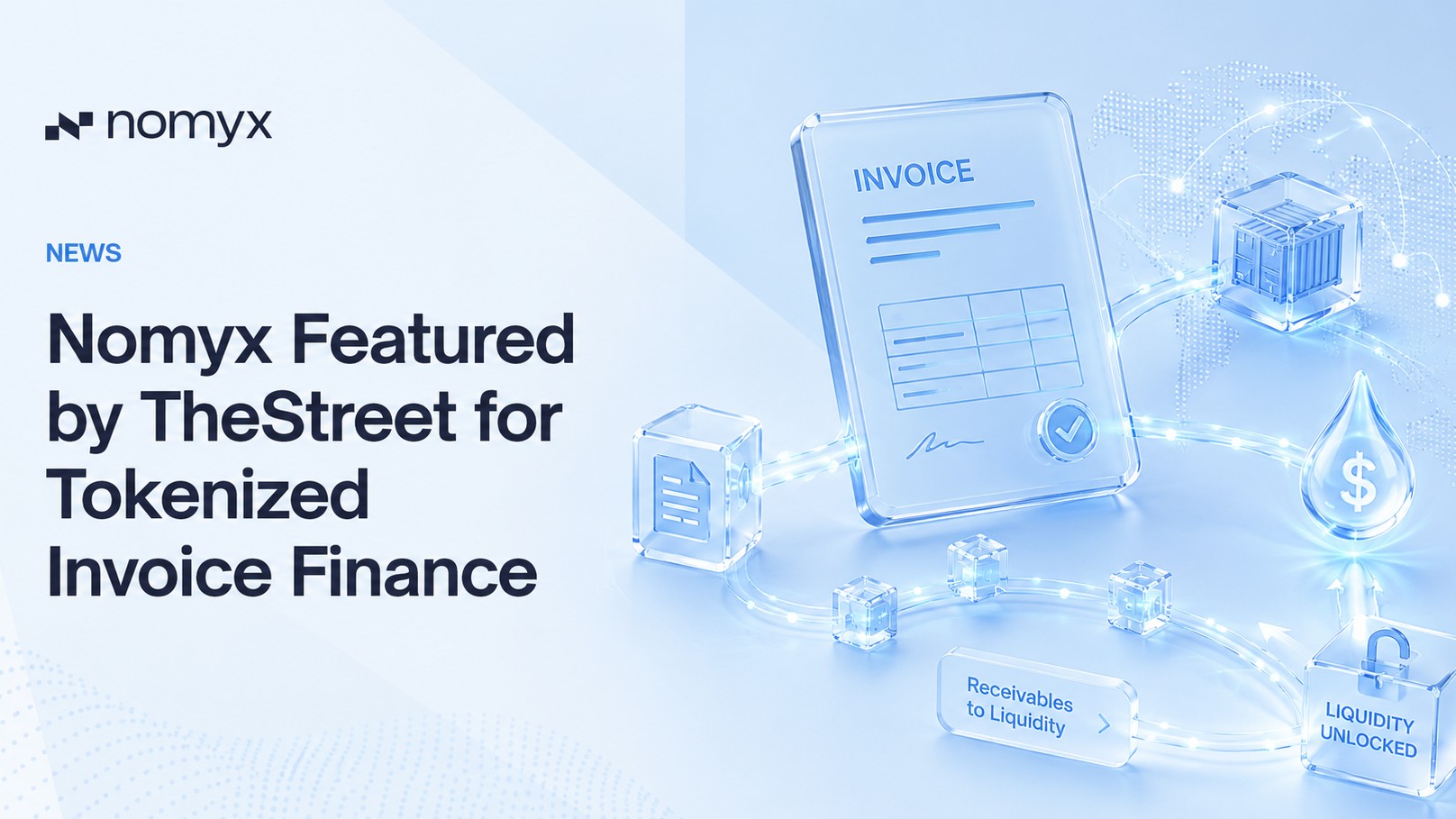
Tokenized trade finance invoices convert outstanding receivables into digital tokens on a blockchain. This process allows suppliers to collateralize invoices for immediate working capital instead of waiting for net-60 or net-90 payment terms. Lenders and investors can then trade these tokens, creating a secondary market for short-term liquidity.
The infrastructure relies on smart contracts to manage the lifecycle of the token. When a buyer approves an invoice, the system mints a corresponding token. Repayment triggers the token’s redemption or burn, ensuring the supply chain of capital remains transparent and auditable. This automation reduces the administrative friction that traditionally slows down trade finance settlements.
While the technology promises faster access to cash, the implementation requires careful legal and technical setup. SMEs must ensure their invoicing systems can interface with blockchain protocols securely. Without proper integration, the tokenization process adds complexity rather than solving the liquidity gap it aims to bridge.
Tokenized trade finance invoices choices that change the plan
Before committing to a tokenization strategy, you must weigh the operational friction against the speed of capital access. Tokenized trade finance invoices offer immediate liquidity by converting outstanding receivables into digital assets, but this efficiency comes with distinct structural compromises.
The primary tradeoff lies in legal enforceability versus technological speed. While blockchain platforms reduce settlement times from days to minutes, the legal framework for cross-border invoice transfer remains fragmented. You are trading the certainty of traditional banking agreements for the programmability of smart contracts, which requires rigorous legal structuring to ensure the token actually represents a valid claim on the underlying debt.
Another critical factor is data privacy. Tokenization improves transparency over ownership and transfer history, which helps reduce the risk of duplicate presentation fraud. However, this same transparency can expose sensitive commercial terms to a broader set of participants than a traditional private ledger would allow. You must decide whether the liquidity premium justifies the loss of absolute confidentiality.
To evaluate these factors concretely, compare the operational realities of tokenized invoices against traditional trade finance instruments.
| Factor | Tokenized Invoices | Traditional Finance |
|---|---|---|
| Settlement Speed | Near-instant (minutes) | 3-10 business days |
| Legal Framework | Fragmented, evolving | Established, mature |
| Data Privacy | Shared ledger visibility | Private, siloed |
| Intermediary Costs | Lower (smart contracts) | Higher (banks, agents) |
| Liquidity Access | Secondary markets | Bank balance sheets |
Choose the next step
Tokenized Trade Finance Invoices works best as a clear sequence: define the constraint, compare the realistic options, test the tradeoff, and choose the path with the fewest hidden costs. That order keeps the advice usable instead of decorative. After each step, pause long enough to check whether the recommendation still fits the reader's actual situation. If it depends on perfect timing, unusual access, or a best-case budget, include a simpler fallback.
Weak Tokenization Options and Common Mistakes
The trade finance sector is crowded with platforms promising instant liquidity, but not all tokenized invoice models are built for enterprise-grade reliability. Many solutions rely on centralized custodians that negate the benefits of decentralization, creating single points of failure. In 2026, the distinction between true on-chain settlement and off-chain ledgering is the primary filter for viable infrastructure.
Centralized Custody Risks
Some platforms tokenize invoices but hold the underlying assets in traditional bank accounts, controlled by a single entity. This structure replicates the very counterparty risk that blockchain aims to eliminate. If the custodian freezes accounts or faces insolvency, the tokenized invoices become illiquid regardless of the smart contract's code. Always verify whether the platform uses multi-sig wallets or decentralized custody solutions.
Incomplete Legal Enforceability
A common mistake is assuming the token itself represents the legal claim to payment. Without a robust legal wrapper linking the digital token to the original invoice under local commercial law, recovery in default scenarios is difficult. Platforms that lack clear legal opinions or partnerships with established law firms leave lenders exposed. Ensure the tokenization framework explicitly defines the transfer of beneficial ownership.
Poor Data Standardization
Many early-stage platforms use proprietary data formats that prevent integration with existing ERP or supply chain finance systems. This silos the data and requires manual reconciliation, defeating the purpose of automation. Look for platforms adhering to ISO 20022 or similar global standards for invoice data. Seamless interoperability is now a baseline requirement, not a luxury.
Tokenized trade finance invoices: common: what to check next
Tokenizing trade invoices moves receivables onto a blockchain to create immediate liquidity. Before committing to a platform or infrastructure, it helps to understand the practical limits of this technology. The following answers address the most common objections regarding speed, legal standing, and market accessibility.
No comments yet. Be the first to share your thoughts!