What tokenized trade finance invoice infrastructure actually is
Tokenized trade finance invoice infrastructure is the underlying blockchain architecture that converts outstanding invoices into digital tokens. It is not simply a database entry or a digitized PDF; it is a programmable system where each token represents a specific claim on debt. This distinction matters because the infrastructure enables these assets to move independently of traditional banking rails.
The core function of this infrastructure is to unlock on-chain liquidity. By representing receivables as tokens, businesses and lenders can collateralize invoices immediately rather than waiting for net-60 or net-90 payment terms. Chainlink’s research highlights that this process allows outstanding debts to be used as collateral for immediate financing, effectively bridging the gap between trade execution and capital availability.
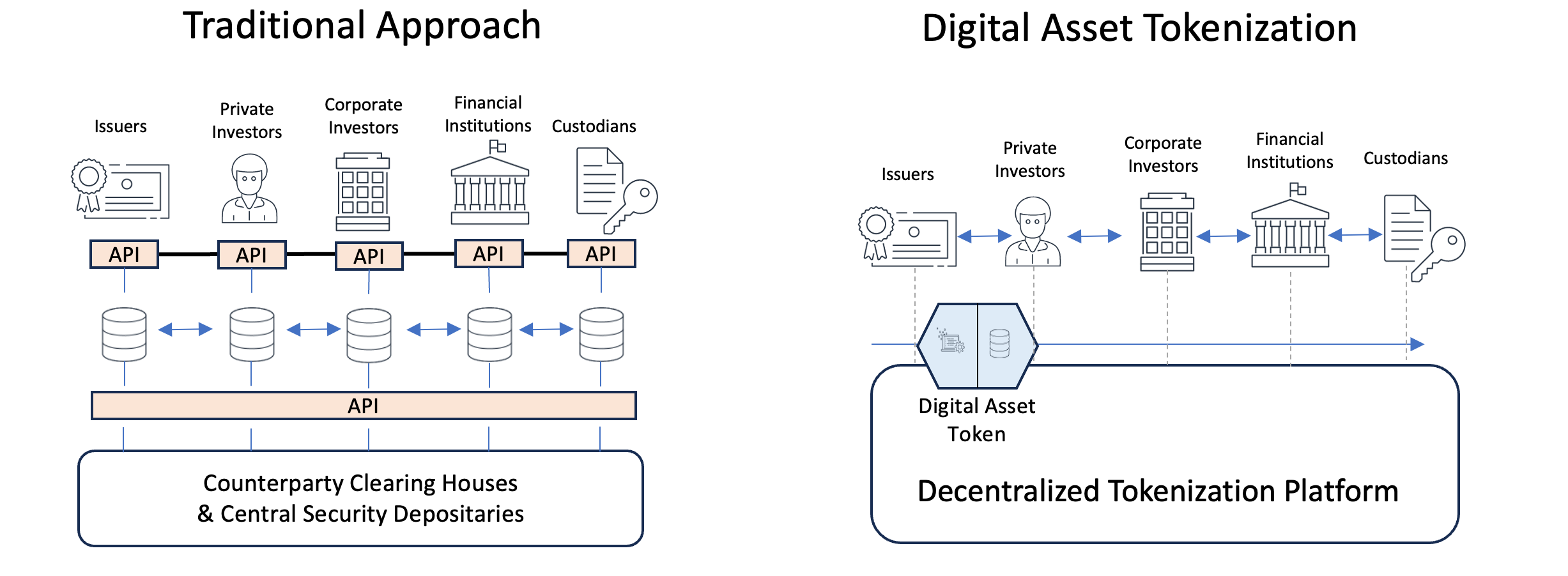
Unlike legacy systems where invoices are static records, tokenized infrastructure treats them as active financial instruments. This shift requires a specific stack: a blockchain ledger for settlement, smart contracts for automation, and oracles for real-world data verification. The result is a system where trade finance becomes as fluid as the digital assets trading alongside it.
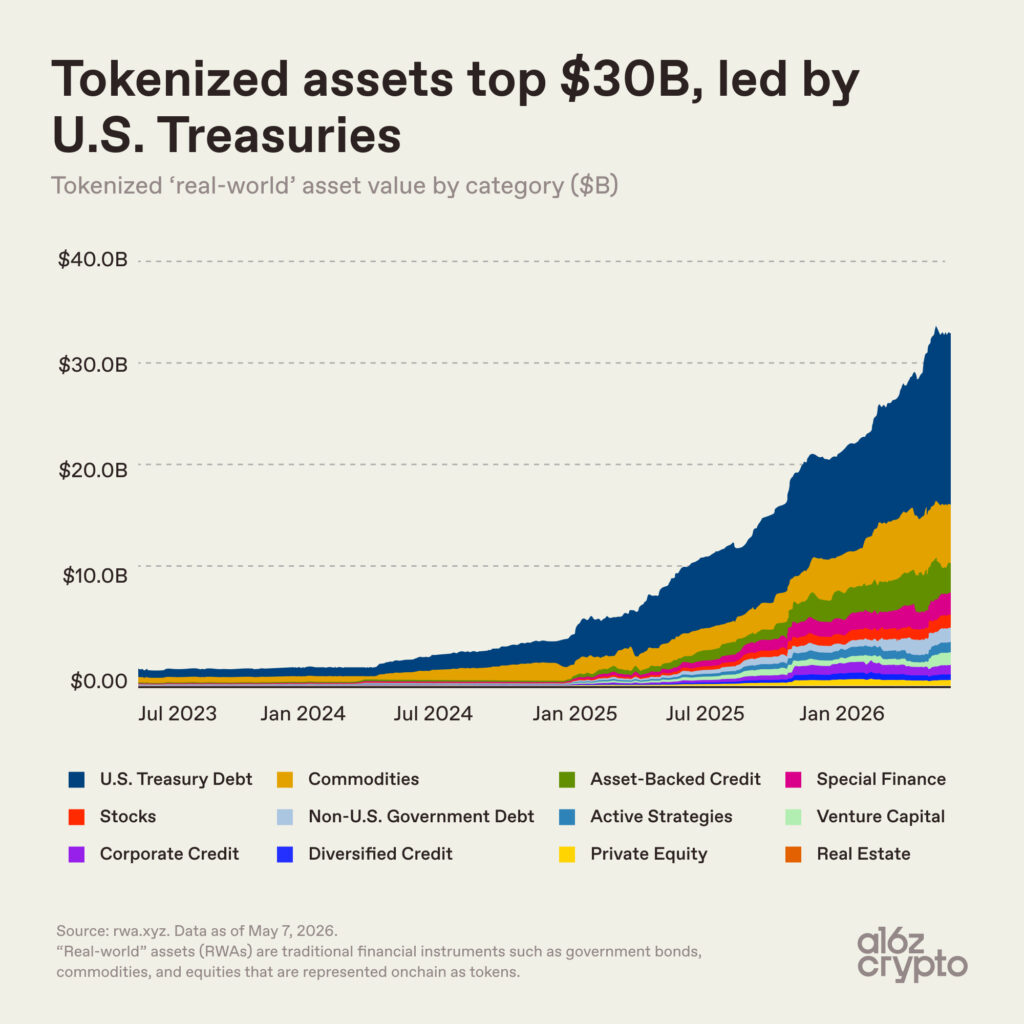
To understand the current market context for these underlying digital assets, it helps to look at broader tokenized real-world asset (RWA) trends.
The Infrastructure Stack
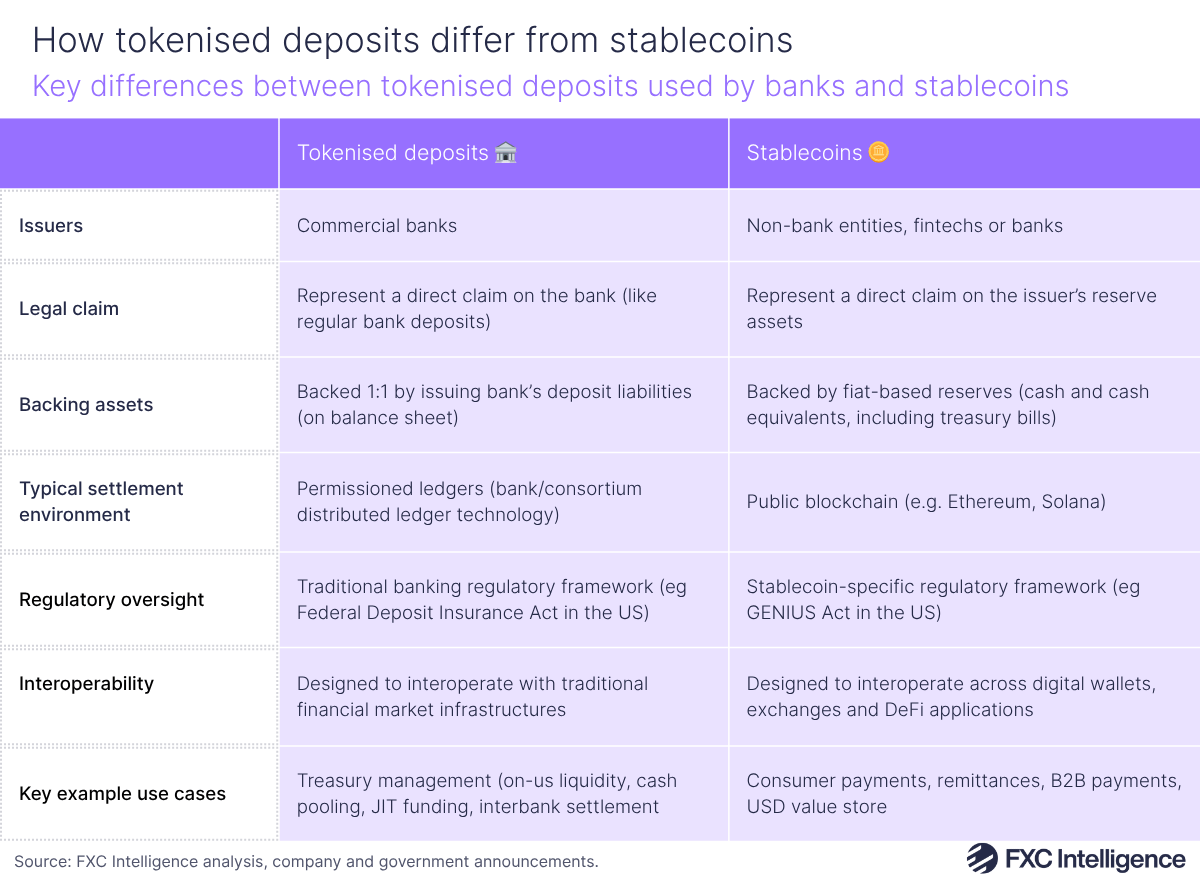
Tokenized trade finance does not replace existing banking rails; it builds a parallel layer on top of them. According to BNY, the near-future evolution of this sector relies on integrating with current infrastructure rather than overhauling it entirely. This hybrid approach reduces friction for traditional financial institutions while introducing the speed and transparency associated with blockchain technology.
Blockchain and Legal Wrappers
The core of the stack is the token itself, which represents a legal claim on an unpaid invoice. ONINO notes that tokenizing invoices converts these unpaid claims into digital financial instruments that can be financed or traded before maturity. However, the token is only as good as the legal wrapper behind it. Smart contracts automate the payment triggers, but off-chain legal agreements ensure that the token holder has a valid claim against the debtor. Without this bridge between code and law, the token is merely a speculative asset, not a trade finance instrument.
Oracles and Data Integrity
Smart contracts need real-world data to function. Oracles feed external information—such as shipment tracking, invoice verification, or payment confirmations—into the blockchain. This ensures that the token’s status accurately reflects the underlying trade activity. If the oracle data is flawed or delayed, the entire settlement process fails. Therefore, the reliability of the oracle network is as critical as the consensus mechanism of the blockchain itself.

Comparison of Traditional vs. Tokenized Workflows
The shift from traditional to tokenized trade finance involves moving from manual, document-heavy processes to automated, data-driven ones. The table below highlights the key differences in efficiency and transparency.
| Step | Traditional | Tokenized |
|---|---|---|
| Verification | Manual document review (weeks) | Automated smart contract validation (minutes) |
| Settlement | Bank transfers (days) | Atomic settlement (seconds) |
| Transparency | Limited to direct parties | Real-time shared ledger |
Key tools for tokenizing trade receivables
Use this section to make the Tokenized Trade Finance Invoices Infrastructure decision easier to compare in real life, not just on paper. Start with the reader's actual constraint, then separate must-have requirements from details that are merely nice to have. A practical choice should survive normal use, maintenance, timing, and budget. If a recommendation only works in an ideal situation, call that out plainly and give the reader a fallback path.
The simplest way to use this section is to write down the must-have criteria first, then compare each option against those criteria before weighing nice-to-have features.
Why issuers and investors are shifting to tokenized infrastructure
Tokenized trade finance infrastructure reshapes the economic mechanics of invoice financing by converting illiquid receivables into transferable digital assets. For issuers, the primary advantage is immediate liquidity. Instead of waiting for net-30 or net-60 payment cycles, businesses can collateralize outstanding invoices on-chain to access capital instantly. This process effectively securitizes trade finance instruments, allowing receivables to be tokenized and traded in secondary markets without the friction of traditional banking settlement windows.
Investors gain access to fractional ownership of these high-quality trade assets. By tokenizing invoices, the minimum investment threshold drops significantly, opening trade finance to a broader pool of capital providers. This democratization creates a more efficient market where capital flows directly to the underlying asset, reducing the need for multiple intermediaries that traditionally slice up margins in supply chain finance.
However, this infrastructure shift introduces specific technical risks that must be managed. The reliance on smart contracts and oracles to verify invoice authenticity and payment status creates a new attack surface. If the oracle data feeding the blockchain is compromised, or if the smart contract logic contains vulnerabilities, the collateral backing the token can be jeopardized.
The infrastructure must therefore be robust enough to handle these high-stakes scenarios. While the efficiency gains are substantial, the trust model shifts from institutional counterparty risk to technological integrity. Issuers and investors must evaluate not just the creditworthiness of the debtor, but the security of the tokenization platform itself.
Navigating regulatory and operational challenges
Tokenized trade finance infrastructure must coexist with legacy systems rather than replacing them overnight. BNY notes that near-term evolution will likely run alongside existing infrastructure, meaning your compliance stack needs to bridge two worlds. This hybrid reality introduces friction: you are managing smart contract logic while still satisfying traditional banking regulations that weren't designed for digital tokens.
Legal enforceability remains the primary hurdle. While tokens can represent ownership, courts in many jurisdictions are still determining how to treat these digital assets in insolvency or dispute scenarios. If the legal link between the token and the underlying invoice is weak, liquidity evaporates faster than it appears. Investors may see a tokenized invoice as a liquid asset until a default occurs, at which point the "liquidity trap" reveals itself—buyers are left holding tokens that are difficult to sell or enforce against the original debtor.
Operational risks also extend beyond the blockchain. Oracle failures, where off-chain data doesn't match on-chain records, can break the trust model entirely. You need robust verification layers to ensure the invoice represented by the token is genuine, valid, and not double-spent. Without this, the efficiency gains of tokenization are negated by the cost of manual reconciliation and legal uncertainty.
Frequently asked questions about tokenized invoices
Helpful gear
Use these product recommendations as a starting point, then choose the size, material, and price point that fit how you actually use the gear.
As an Amazon Associate, we may earn from qualifying purchases.
No comments yet. Be the first to share your thoughts!