What to check in tokenized trade finance invoices market research
Tokenized trade finance invoices are moving from pilot programs to active market segments, but the infrastructure varies significantly across platforms. Buyers and sellers are looking for specific operational realities rather than broad promises of liquidity. When evaluating current market research, focus on the structural mechanics that determine whether an invoice token can actually be traded or financed.
Liquidity and secondary market depth
The primary value proposition is access to capital, but this depends on the existence of a secondary market. Research should distinguish between platforms that merely tokenize invoices for internal settlement and those that facilitate open trading. Look for evidence of active buyer pools, including institutional investors and funds, who can purchase fractionalized invoice tokens. Without a robust secondary market, the "liquid" asset claim remains theoretical.
Smart contract compliance and legal enforceability
Tokenization is only as good as the legal framework backing the underlying receivable. Investigate whether the smart contracts are integrated with traditional legal wrappers that ensure the token holder has enforceable rights to the payment. Check if the platform operates under recognized regulatory frameworks, such as MiCA in Europe or relevant SEC guidelines in the US. A lack of clear legal recourse renders the digital token a speculative instrument rather than a trade finance tool.
Integration with legacy ERP and banking systems
Adoption barriers are often technical, not financial. Effective market research should highlight platforms that offer seamless API integration with existing Enterprise Resource Planning (ERP) systems and banking infrastructure. If a tokenized invoice workflow requires manual data entry or disjointed verification steps, the efficiency gains are negated. Look for case studies showing automated invoice verification and payment settlement that reduce administrative overhead.
Transparency and data privacy
Trade finance involves sensitive commercial data. Evaluate how platforms handle data privacy while maintaining the transparency required for due diligence. On-chain visibility of invoice status and payment history is a benefit, but it must be balanced with the need to protect sensitive supply chain details. Look for solutions using zero-knowledge proofs or permissioned ledgers that allow verified participants to access necessary data without exposing it to the public.
Evaluating tokenized trade finance invoices
Choosing a tokenization strategy requires balancing access, cost, and control. The tradeoffs differ significantly between private institutional networks and public blockchain infrastructure. You must evaluate which factors align with your specific liquidity needs and regulatory constraints before committing capital or integrating new systems.
The following comparison breaks down the primary tradeoffs across three common approaches: private permissioned ledgers, public blockchain tokenization, and hybrid settlement models.
| Factor | Private Permissioned | Public Blockchain | Hybrid Model |
|---|---|---|---|
| Access | Institutional only | Open to all | Restricted open |
| Settlement Speed | T+1 to T+2 | Near-instant | T+0 |
| Compliance | Built-in identity | Layer-2 KYC | Hybrid KYC |
| Liquidity Depth | Limited pool | Deep global | Moderate pool |
| Cost Structure | High fixed cost | Variable gas fees | Moderate fixed |
| Data Privacy | Full control | Public ledger | Zero-knowledge |
Private permissioned ledgers offer the highest level of data privacy and built-in compliance, making them ideal for large banks managing deep-tier supply chain finance. However, liquidity is often trapped within a closed ecosystem, limiting the pool of potential investors to a small group of institutional partners.
Public blockchain tokenization opens access to a global investor base, potentially lowering financing costs for underserved suppliers. The tradeoff is the exposure of transaction data on a public ledger and the volatility associated with holding digital assets. Many projects now use layer-2 solutions or zero-knowledge proofs to mitigate these privacy concerns.
Hybrid models attempt to capture the best of both worlds by keeping sensitive data off-chain while using public chains for settlement. These systems require more complex integration but offer a balanced approach for enterprises that need both broad liquidity and strict regulatory adherence.
Choose the Next Step
Tokenized trade finance invoices are moving from pilot projects to active infrastructure. For investors and institutions, this shift offers access to an asset class previously reserved for large banks, but it requires a clear operational strategy. The following framework outlines the practical steps to evaluate and deploy tokenized invoice financing.
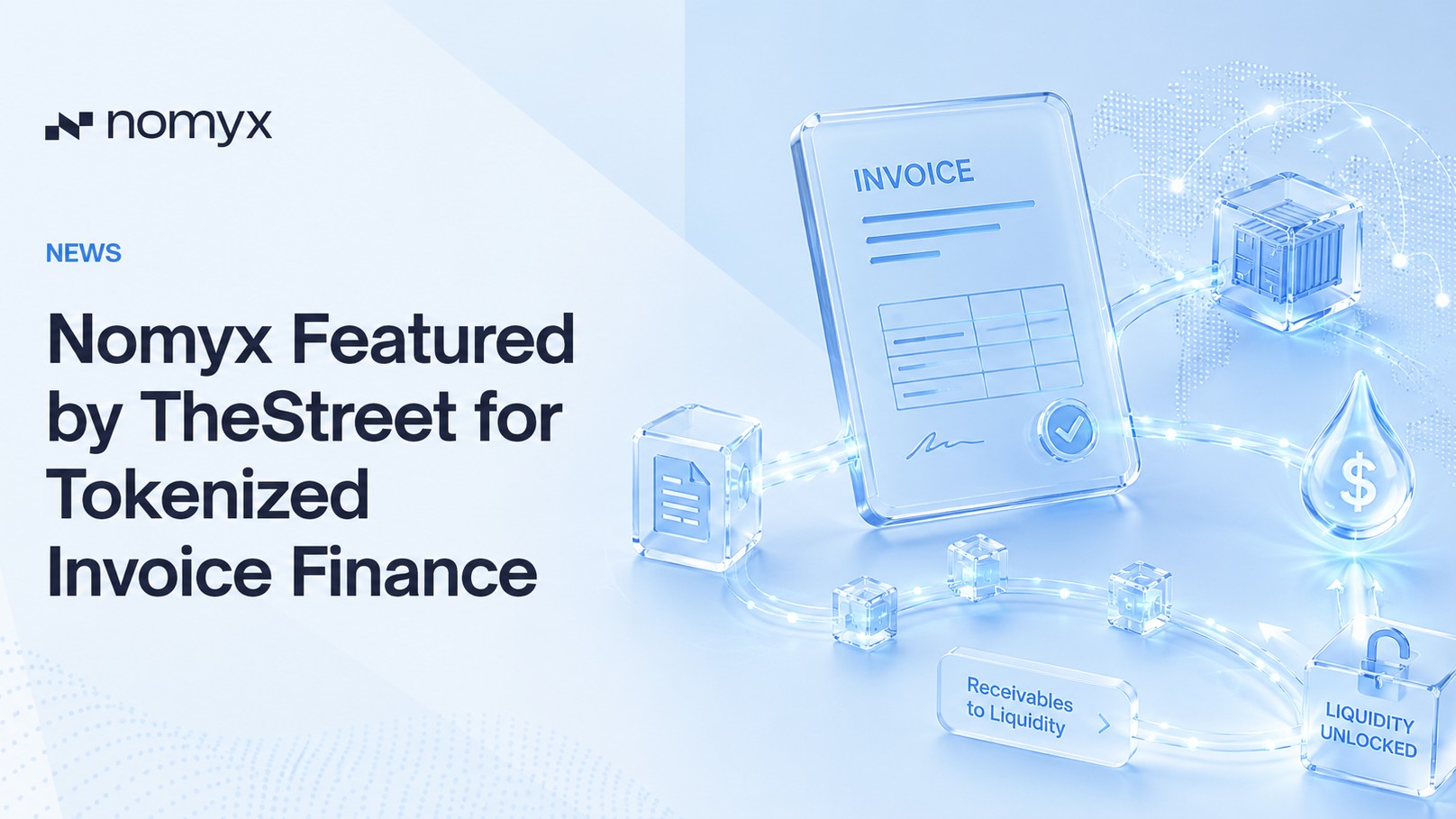
Identify which invoices are eligible for tokenization. Focus on short-term, high-volume receivables with clear payment terms. These assets benefit most from blockchain transparency and faster settlement cycles. Avoid complex, long-dated instruments until the secondary market infrastructure matures.
Choose a blockchain that supports regulatory compliance and institutional custody. Private or permissioned ledgers often provide the necessary control over investor accreditation and data privacy. Ensure the platform integrates with existing ERP systems for seamless data ingestion.
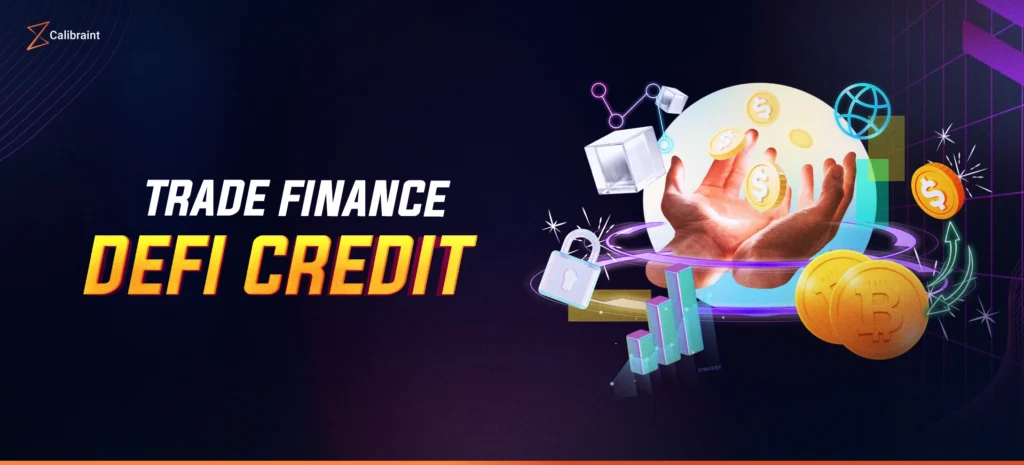
Define the token’s rights, including interest accrual and redemption priority. Standardize the legal wrapper to ensure enforceability across jurisdictions. Clear smart contract logic reduces operational risk and builds trust among secondary market participants.
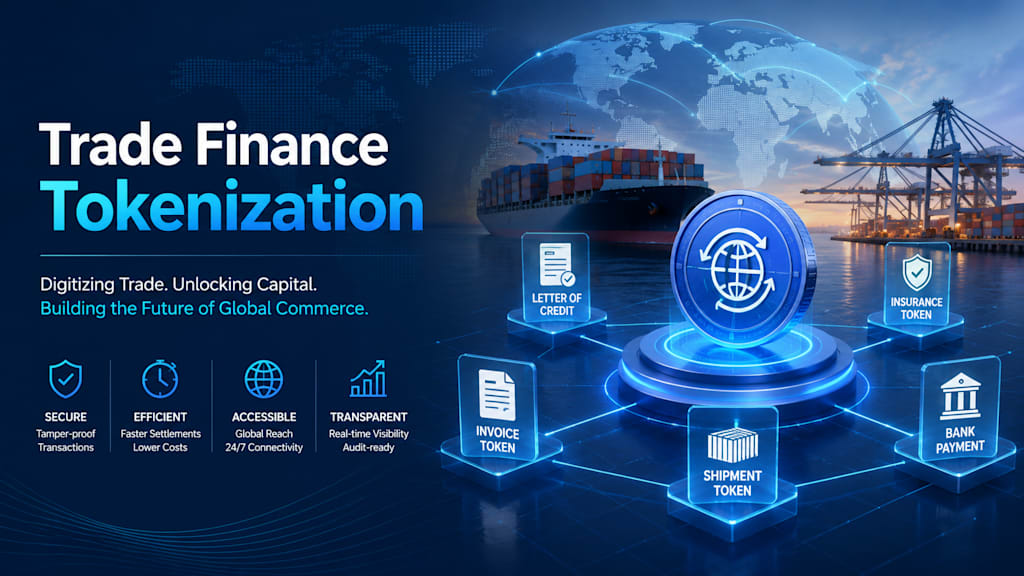
Establish relationships with institutional investors and funds seeking yield. Tokenized invoices offer diversification benefits, but you must demonstrate consistent asset quality and transparent reporting. Early liquidity is critical for the viability of the secondary market.
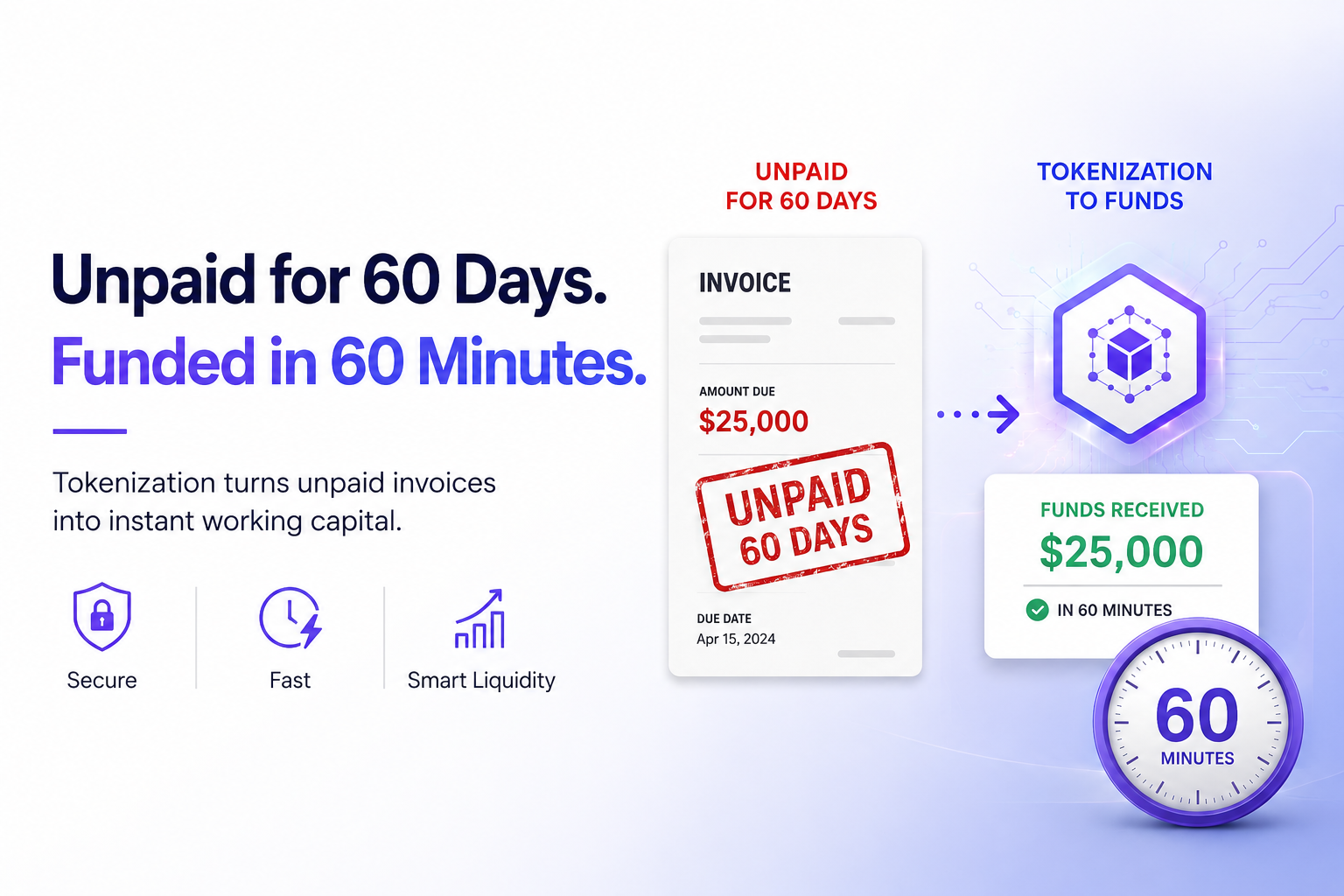
Launch the first tranche of tokenized invoices with a small, controlled pool. Monitor settlement times, investor feedback, and regulatory compliance closely. Use real-time data to refine the model before scaling to larger volumes.
The transition to tokenized trade finance is not just about technology; it is about rethinking liquidity and trust. By following these steps, you can position your organization to capitalize on the emerging market for tokenized receivables.
Avoid the Weak Options in Tokenized Trade Finance
Tokenized trade finance invoices promise liquidity, but the infrastructure is still maturing. Many platforms market "instant settlement" while hiding the friction of off-chain legal wrappers. Before committing capital, you need to separate the marketing hype from the actual settlement mechanics.
Ignoring Legal Enforceability
The biggest risk isn't technology; it's whether a token actually represents a claim on a debt. If the smart contract doesn't have a legal bridge to the underlying invoice, you're holding a digital receipt, not a financial asset. Ensure the platform uses recognized legal frameworks like the UNCITRAL Model Law on Electronic Transferable Records. Without this, secondary market buyers have no recourse if the issuer defaults.
Overlooking Settlement Finality
"Near-instant" is not the same as final. Some platforms settle on slow legacy rails or use stablecoins with high volatility risk. Check if the settlement is atomic—meaning the invoice transfer and payment happen simultaneously. If the platform relies on a third-party custodian for the fiat leg, you reintroduce counterparty risk, negating the benefit of blockchain efficiency.
Disregarding KYC/AML Friction
Trade finance is heavily regulated. Platforms that claim "permissionless" access for institutional-grade invoices are often misleading. If the on-chain tokens don't enforce strict identity verification at the point of issuance, the asset becomes a regulatory liability. Verify that the platform integrates with established KYC providers and that compliance checks are baked into the token's smart contract, not just an afterthought.
Tokenized trade finance invoices market research: what to check next
Before committing capital or infrastructure to tokenized invoices, you need to verify liquidity, regulatory alignment, and technical feasibility. The market is moving faster than the regulations, which creates specific risks for both lenders and borrowers.
No comments yet. Be the first to share your thoughts!