What tokenized trade finance invoices actually are
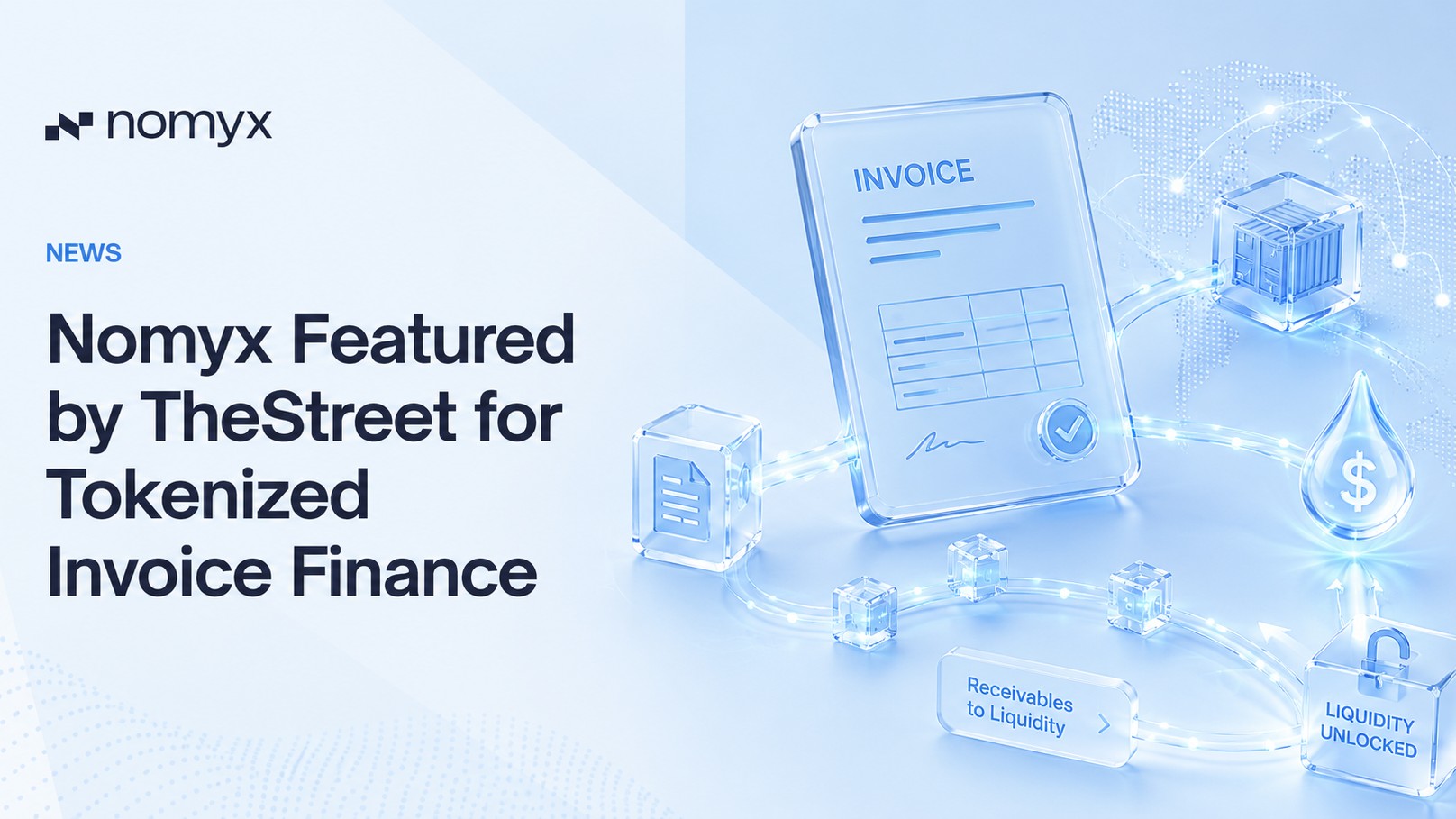
Tokenized trade finance invoices are not simply digital copies of paper documents. They are unique digital assets created on a blockchain that represent the underlying legal claim to payment. When a supplier issues an invoice, that receivable is tokenized, transforming an illiquid asset into a transferable unit of value.
This process allows businesses to unlock cash flow for operations by collateralizing invoices for immediate funding. Unlike traditional receivables, which often sit idle for 30 to 90 days, tokenized invoices can be traded, sold, or used as collateral in decentralized markets. This shifts the focus from static accounting records to dynamic, on-chain financial instruments.
The infrastructure supporting this shift relies on smart contracts to automate verification and payment settlement. By recording the invoice on a blockchain, all parties gain a single source of truth that reduces fraud and administrative overhead. This clarity is essential for high-stakes trade finance, where speed and trust are paramount.
This distinction matters because it changes how liquidity is accessed. Instead of waiting for a buyer to pay, sellers can access capital immediately through token markets. The token itself carries the history and validity of the original invoice, making it a robust tool for modern trade finance.
The infrastructure powering onchain credit
Tokenizing trade finance invoices requires a specific stack that bridges traditional banking data with decentralized ledgers. At the foundation, developers rely on established blockchain layers—typically Ethereum-compatible networks like Polygon or Arbitrum—to handle the high throughput and low costs necessary for frequent invoice settlements. These networks provide the immutable ledger where tokenized receivables live, ensuring that once an invoice is minted as a digital asset, its ownership and payment history cannot be altered.
However, a blockchain is only as reliable as the data it records. This is where oracle networks, such as Chainlink, play a critical role. They act as the bridge between off-chain financial institutions and on-chain smart contracts. Oracles verify real-world invoice data—such as delivery confirmations, bank account balances, and credit ratings—before feeding it into the protocol. Without this verification layer, tokenized invoices would lack the trust required by institutional lenders and investors.
On the application layer, smart contract standards define how these tokens behave. While ERC-20 is common for fungible tokens, many trade finance platforms use ERC-1155 or custom standards to handle semi-fungible assets like individual invoices with unique payment terms. These contracts automate the lifecycle of the invoice, from issuance and transfer to final settlement, reducing the need for manual reconciliation and intermediaries.
This infrastructure enables the liquidity that traditional trade finance often lacks. By converting static invoices into liquid tokens, suppliers can access capital immediately rather than waiting 30 to 90 days for payment. The combination of secure blockchain layers, verified oracle data, and standardized smart contracts creates a robust framework for modernizing global trade finance.
Key platforms and real-world examples
Use this section to make the Tokenized Trade Finance Invoices decision easier to compare in real life, not just on paper. Start with the reader's actual constraint, then separate must-have requirements from details that are merely nice to have. A practical choice should survive normal use, maintenance, timing, and budget. If a recommendation only works in an ideal situation, call that out plainly and give the reader a fallback path.
The simplest way to use this section is to write down the must-have criteria first, then compare each option against those criteria before weighing nice-to-have features.
How issuers and investors can build a strategy
Tokenized trade finance invoices work best when they function like a standard supply chain tool, not a speculative asset. For businesses, the goal is faster working capital. For investors, the goal is transparent yield with verified underlying trade data. Success requires treating tokenization as an operational upgrade, not a marketing exercise.
Issuer readiness checklist
Before issuing any tokens, your receivables must be legally and technically ready. This preparation reduces friction when investors due diligence.
- Legal validation: Ensure your underlying invoices are legally enforceable and that the transfer of receivables is recognized across relevant jurisdictions. Use smart contracts only to automate payments, not to replace legal contracts.
- Data standardization: Convert invoice data into a standardized digital format (like XML or JSON) that can be read by multiple platforms. This interoperability is essential for liquidity.
- Identity verification: Implement robust KYC/AML checks for all participants. Investors need to know who they are buying from, and issuers need to prove their identity.
- Oracle integration: Connect your ERP or accounting software to a blockchain oracle. This ensures the token’s value is always backed by real-time, auditable data from your actual transactions.
Investor evaluation framework
Investors should approach tokenized invoices with the same rigor as traditional trade finance. The technology changes the delivery mechanism, but the risk profile remains grounded in the underlying trade.
- Underlying asset quality: Evaluate the creditworthiness of the original debtor, not just the token issuer. A token is only as good as the invoice it represents. Check the debtor’s payment history and financial health.
- Platform transparency: Use platforms that provide full audit trails. You should be able to trace the invoice from creation to payment, with every step recorded on-chain. Avoid platforms that hide their data sources.
- Liquidity terms: Understand the secondary market rules. Can you sell the token before maturity? What are the fees? Illiquidity is a major risk in trade finance; ensure you have an exit strategy.
- Regulatory compliance: Verify that the platform operates within the legal frameworks of your jurisdiction. Non-compliance can lead to frozen assets or legal penalties.
Market integration and tools
Building a strategy means integrating these tools into your existing workflow. Use provider-backed widgets to monitor market trends and asset performance. This keeps your strategy grounded in real-time data.
This chart shows how market data can be integrated into your strategy. While this example uses a stock, the same principles apply to trade finance assets. Monitor liquidity, volume, and price movements to identify trends.
For broader market context, use price widgets to track related financial instruments. This helps you understand the macro environment in which your trade finance assets are operating.
Helpful gear
Use these product recommendations as a starting point, then choose the size, material, and price point that fit how you actually use the gear.

As an Amazon Associate, we may earn from qualifying purchases.
No comments yet. Be the first to share your thoughts!