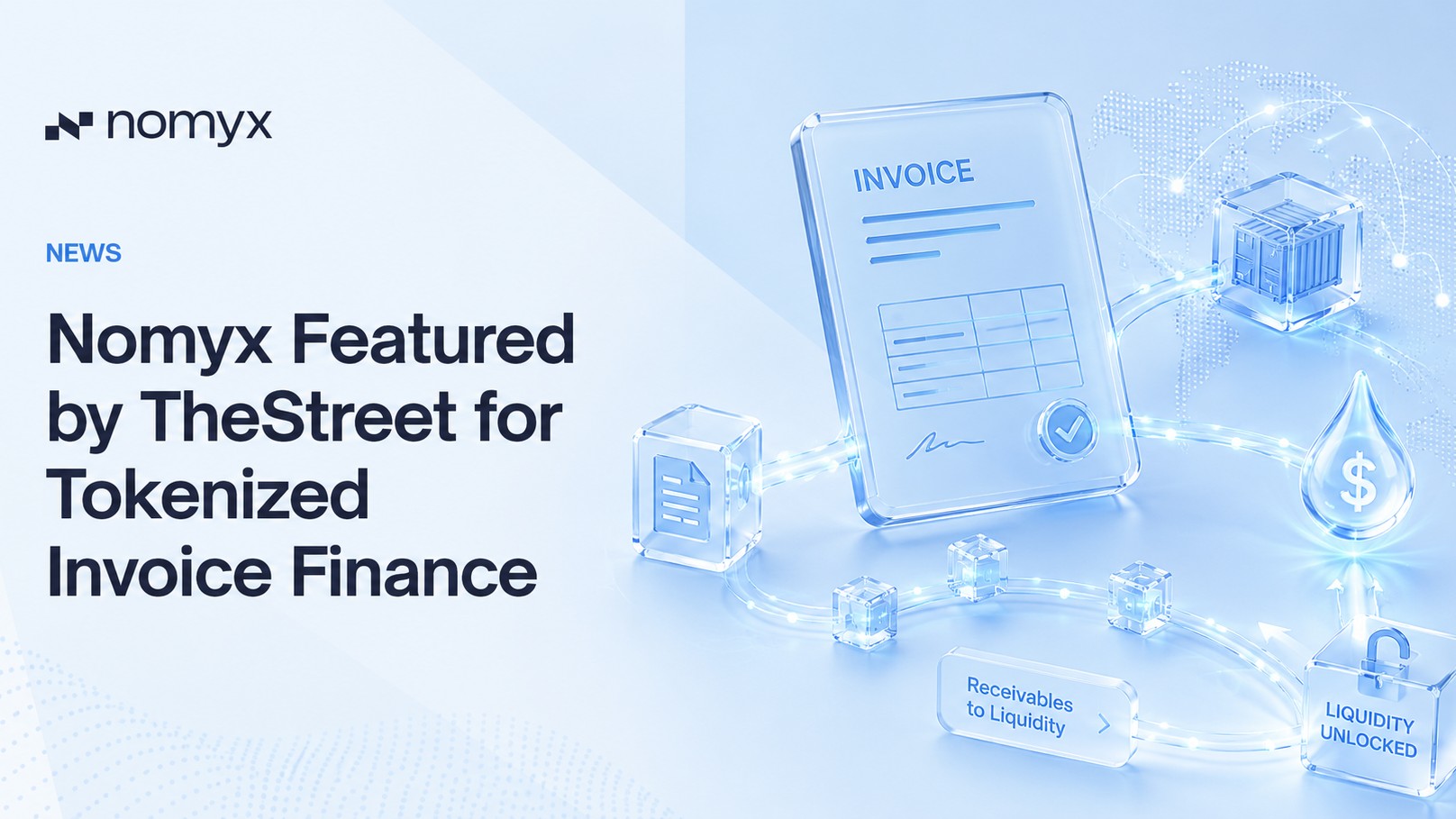
The tokenized trade finance strategy converts unpaid supplier invoices into digital tokens, unlocking immediate liquidity for SMEs and offering yield-backed assets for investors. This approach addresses the critical bottleneck of delayed payments in global trade, where working capital is often tied up in accounts receivable for 30 to 90 days.
For decades, small and medium-sized enterprises (SMEs) have relied on expensive bank overdrafts or traditional factoring services to bridge cash flow gaps. These legacy solutions often reject high-risk borrowers or charge prohibitive fees. By tokenizing receivables, businesses can collateralize their invoices on a blockchain, transforming illiquid debt into tradable assets. According to Chainlink, this process enables suppliers to access financing faster while allowing a global pool of investors to earn yield backed by real-world trade activity rather than speculative crypto assets.
This shift democratizes access to liquidity. Instead of relying on a single bank's risk appetite, tokenized invoices can be fractionalized and sold to diverse investors. For SMEs, this means survival and growth without the drag of delayed payments. For investors, it offers exposure to tangible trade assets, bridging the gap between traditional finance and decentralized markets.
The Infrastructure Behind Tokenized Trade Finance Invoices
Building a robust tokenized trade finance strategy requires more than just a blockchain; it demands a secure bridge between physical trade documents and onchain code. The infrastructure rests on three critical layers: the blockchain ledger, the legal wrapper, and the oracle network that verifies real-world data.
Blockchain Selection and Interoperability
The choice of ledger dictates transaction speed, cost, and regulatory compliance. For trade finance, networks that support smart contracts and offer high throughput are preferred to handle the volume of global trade. Interoperability is critical, allowing these tokens to move seamlessly between legacy banking systems and decentralized finance (DeFi) protocols. This integration ensures that the tokenized asset can reach a broad pool of investors without friction.
Oracle Integration for Data Integrity
A blockchain cannot verify the authenticity of a PDF invoice on its own. Oracles serve as the trusted bridge, feeding verified off-chain data—such as shipment proof, invoice dates, and buyer creditworthiness—onto the chain. This ensures the token’s value is directly backed by verified trade activity. Without reliable oracles, the token becomes a speculative asset rather than a representation of real economic value.
Legal Wrappers and Compliance
Tokenization must be anchored in legal reality. A legal wrapper defines the relationship between the token holder and the underlying asset, ensuring that token ownership translates to enforceable rights in the real world. This structure often involves a special purpose vehicle (SPV) that holds the invoice receivables, issuing tokens as claims against that SPV. This layer provides the regulatory clarity needed for institutional adoption.
Market research and growth trends
The market for tokenized trade finance is moving past the experimental phase. Recent research indicates a shift from isolated pilot programs toward scalable infrastructure, driven by the need to convert illiquid trade assets into fractionalized, programmable digital tokens. This transformation is not just about digitization; it is a fundamental restructuring of trade finance economics, allowing businesses to access faster financing while offering investors yield tied to real-world economic activity.
DataIntelo’s 2034 market outlook highlights this transition. The report notes that tokenization facilitates the securitization of trade finance instruments, turning static receivables into dynamic assets that can be traded on secondary markets. This liquidity is the primary driver for adoption. By minting unpaid invoices as blockchain-based tokens, companies can unlock capital that was previously tied up in long payment cycles. The value of these tokens remains bound directly to the underlying trade transaction, ensuring that the digital representation accurately reflects the real-world asset.
The growth trajectory suggests that tokenized trade finance is becoming a standard component of modern treasury management. As infrastructure matures, the focus is shifting from technical feasibility to regulatory compliance and interoperability. The ability to trade these tokens efficiently across borders is reducing friction in global supply chains. This evolution is critical for high-stakes finance, where speed and transparency are paramount. The market is no longer asking if tokenization works, but how quickly institutions can integrate it into their existing systems.
The chart above reflects broader market sentiment in the tokenization sector. While specific trade finance tokens may have lower liquidity, their price action often correlates with the broader adoption of real-world asset (RWA) tokenization. A rising trend in these indices signals increased institutional interest and confidence in the underlying technology. For investors and corporations alike, monitoring these trends provides a pulse on the health and momentum of the tokenized trade finance market.
Comparing tokenization platforms
Building a tokenized trade finance strategy requires choosing infrastructure that aligns with your operational scale. The market has fragmented into distinct platforms, each optimized for different segments of the trade lifecycle. Some providers prioritize speed and SME accessibility, while others focus on institutional-grade compliance and complex supply chain finance structures.
To evaluate your options, it helps to look at the underlying technical and legal frameworks. The table below compares four major approaches currently available. These platforms differ significantly in their choice of blockchain, legal enforceability, and target audience.
| Platform Type | Underlying Chain | Legal Compliance | Target User |
|---|---|---|---|
| ONINO | Ethereum/Polygon | EU MiCA aligned | SMEs |
| TradeGo | Ripple (XRP) | Multi-jurisdictional | Enterprises |
| Marco Polo | R3 Corda | UK/EU focused | Large Corps |
| Komgo | Ethereum | Swiss-based | Commodity Traders |
The choice of underlying blockchain often dictates the speed and cost of settlement. Platforms like TradeGo leverage Ripple’s network for near-instant finality, which is critical for high-volume, low-margin trade finance. In contrast, others rely on Ethereum-compatible chains to tap into deeper liquidity pools and decentralized oracle networks. Legal compliance remains the primary friction point; platforms operating under EU MiCA frameworks or Swiss law often provide clearer recourse for investors than those in less regulated jurisdictions.
Your selection should depend on whether you prioritize immediate liquidity for small invoices or complex structuring for large corporate deals. SMEs typically benefit from platforms that abstract away blockchain complexity, while large enterprises often require the permissioned access found in Corda-based solutions.
Key questions on tokenized invoices
Tokenized trade finance relies on turning unpaid bills into liquid assets. Here are the answers to the most common questions about how this works and who is driving the market.
This approach removes friction from global supply chains, turning static debt into active capital.
No comments yet. Be the first to share your thoughts!