The shift from paper to onchain invoices
Trade finance has long been anchored by physical paperwork. A single international shipment often generates a mountain of documents—bills of lading, commercial invoices, and certificates of origin—that must be manually verified, faxed, or couriered across borders. This analog process creates friction. It slows down settlement, increases the risk of fraud or error, and ties up working capital for weeks or even months while banks reconcile records.
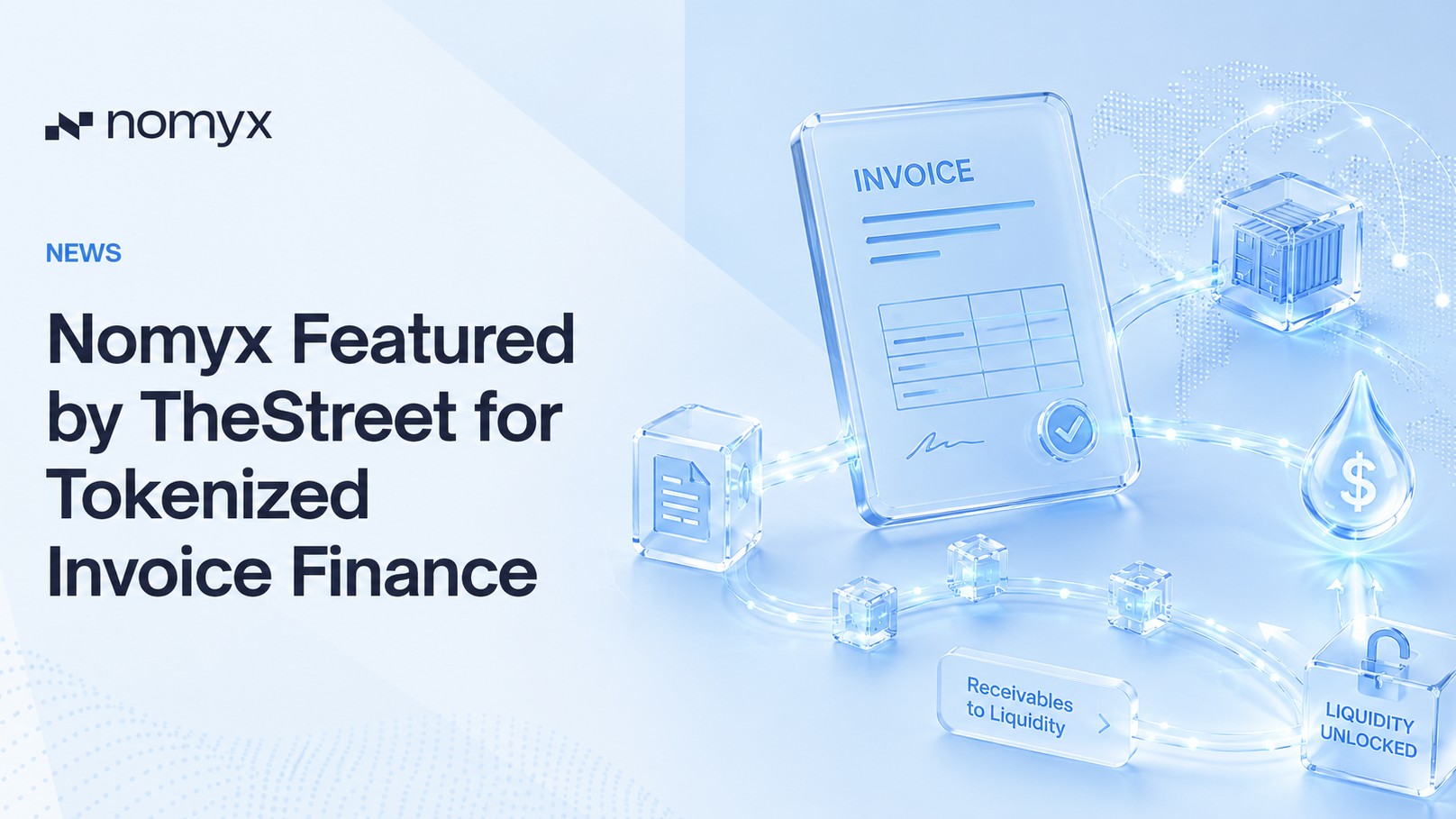
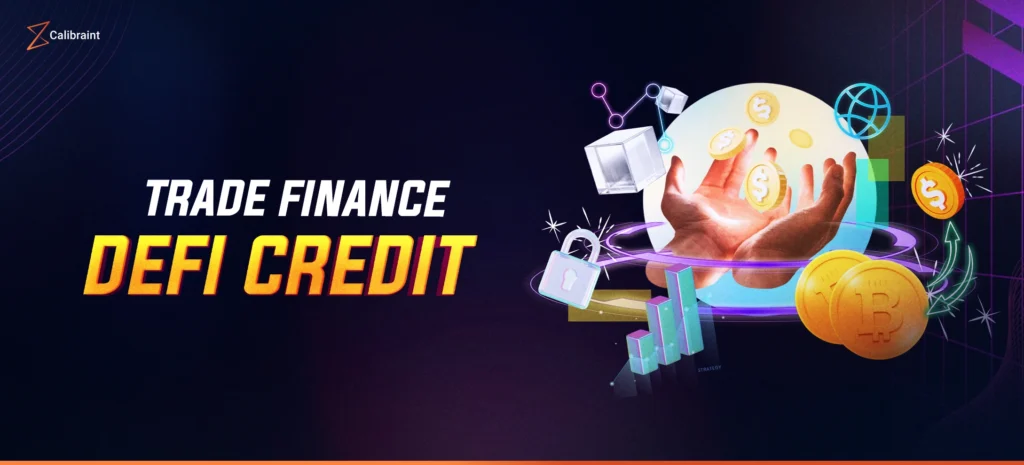
Tokenized trade finance invoices infrastructure replaces this slow, paper-based model with instant, programmable digital tokens. Instead of waiting for a bank to process a physical invoice, businesses convert outstanding receivables into digital assets on a blockchain. These tokens represent a claim on payment and can be held, transferred, or used as collateral in real time. The result is a system where liquidity is not locked in administrative delays but is available immediately to those who need it.
This shift is not merely about digitizing documents; it is about reimagining how debt moves. When an invoice becomes a token, it inherits the transparency and immutability of the underlying ledger. Lenders can verify the authenticity of the debt instantly, reducing due diligence costs and allowing for faster funding decisions. For sellers, this means faster cash flow. For buyers, it often means extended payment terms without straining their supplier’s liquidity.
The urgency for this transition is driven by the inefficiencies of the current system. In a global economy where speed is competitive advantage, the weeks-long settlement cycles of traditional trade finance are increasingly untenable. Tokenized infrastructure offers a path to near-instant settlement, reducing counterparty risk and unlocking trapped capital. As more institutions adopt this technology, the network effects will further compress costs and accelerate the flow of goods and capital worldwide.
Core infrastructure layers for tokenization
Building a robust tokenized trade finance invoices infrastructure requires stitching together distinct technical layers. The goal is to turn static, off-chain paper claims into dynamic, on-chain digital assets. This process relies on three main components: the ledger, the smart contracts, and the data oracles that bridge the gap between the physical and digital worlds.
Choosing the right ledger
The ledger acts as the single source of truth for ownership and settlement. In trade finance, speed and finality matter. Public blockchains like Ethereum offer deep liquidity and developer tools, but their transaction costs and latency can be prohibitive for high-volume, low-margin invoice trading. Private or consortium chains, such as those built on Hyperledger Fabric or Corda, provide the privacy and speed that traditional banks demand. They keep sensitive commercial data off the public eye while still allowing authorized participants to audit the flow of funds. The choice often depends on who needs to see the data: if the supply chain partners require real-time visibility, a permissioned ledger is usually the safer bet.
Oracle integration for off-chain data
Tokens are only as good as the data backing them. An oracle serves as the bridge, pulling real-world information—like shipping status, invoice approval, or payment confirmation—onto the blockchain. Without reliable oracles, a tokenized invoice is just a number with no connection to reality. Decentralized oracle networks (DONs) are becoming the standard because they aggregate data from multiple sources, reducing the risk of a single point of failure. For trade finance, this means integrating with ERP systems, logistics trackers, and banking APIs. The oracle must be tamper-evident; if the data feed is compromised, the entire tokenization model collapses. This layer ensures that the smart contract only executes when the underlying trade event actually occurs.
Smart contract standards
Smart contracts automate the lifecycle of the invoice, from issuance to settlement. To ensure these tokens can be traded across different platforms, they must follow established standards. ERC-1400 and ERC-3643 are prominent standards for security tokens, offering features like transfer restrictions and compliance checks built directly into the token. These standards allow the token to carry its own rules, ensuring that only verified investors can hold it. This programmability is what transforms a simple invoice into a tradable financial instrument. It allows for automated interest payments, early settlement discounts, and seamless integration with decentralized finance (DeFi) protocols.
Technical context
The financial markets for these underlying assets are closely tied to broader crypto trends. Understanding the correlation between traditional trade finance liquidity and broader market sentiment can help investors gauge the health of the tokenized invoice sector.
Key platforms and tooling in 2026
The ecosystem for tokenized trade finance invoices infrastructure has matured from experimental pilots to specialized operational tools. Rather than replacing legacy banking systems entirely, these platforms typically integrate alongside existing infrastructure to digitize receivables and invoices. This hybrid approach allows institutions to leverage blockchain transparency while maintaining regulatory compliance and familiar workflow structures.
Major providers offer distinct advantages depending on whether the priority is institutional settlement speed or supply chain accessibility. For instance, BNY focuses on bridging tokenized assets with traditional custodial services, ensuring that digitized trade finance instruments meet the security standards required by global banks. Meanwhile, specialized fintechs like ONINO and HashCash Consultants provide streamlined APIs designed to convert unpaid claims into tradeable digital instruments, accelerating working capital access for mid-market enterprises.
The following comparison outlines how leading platforms differentiate themselves in terms of settlement capabilities, compliance frameworks, and primary market focus.
| Platform | Settlement Focus | Compliance & Custody | Target Audience |
|---|---|---|---|
| BNY | Institutional-grade custody | Bank-standard security | Global banks |
| ONINO | Real-time receivables | Digital instrument standard | Fintechs & SMEs |
| HashCash | Automated workflows | Secure asset transformation | Supply chain finance |
How tokenized trade finance invoices infrastructure drives liquidity
Tokenized trade finance invoices infrastructure transforms static receivables into liquid assets. By digitizing invoices, businesses can access working capital faster than traditional bank loans allow. This shift is critical for companies managing cash flow gaps, as it turns accounts receivable into a tradable commodity.
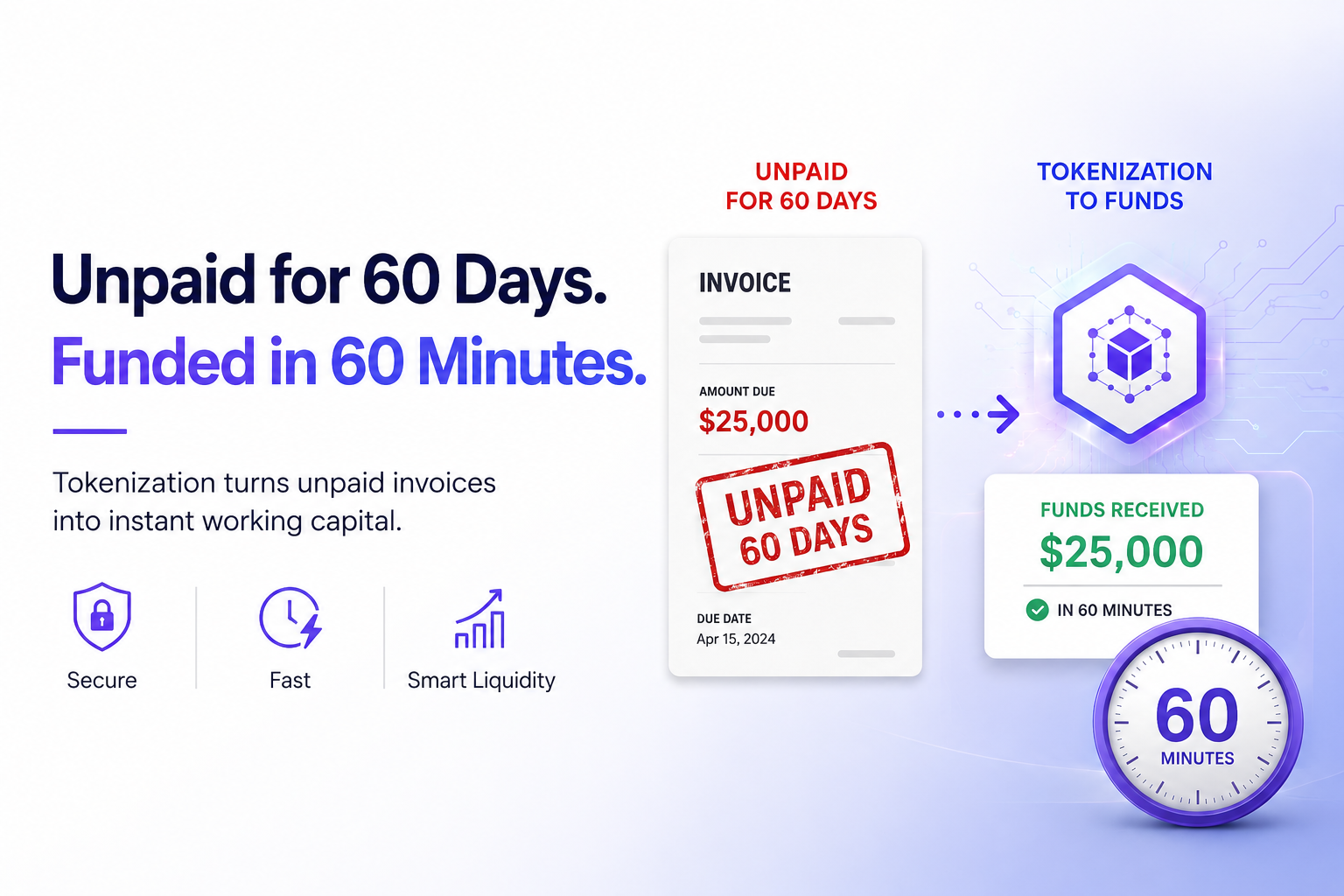
The primary economic benefit is speed. Traditional trade finance often involves weeks of manual verification. Tokenization automates this through smart contracts, reducing settlement times from days to minutes. This efficiency lowers the cost of capital and improves turnover rates for businesses relying on invoice financing.
Risk reduction is equally significant. Traditional invoice financing carries high counterparty risk; if a buyer defaults, the lender absorbs the loss. Tokenization distributes this risk across a broader investor base. Additionally, blockchain transparency provides real-time visibility into invoice status, reducing fraud and operational errors.
For investors, this infrastructure offers access to a previously opaque market. They can diversify portfolios with short-term trade assets that are backed by tangible goods. This liquidity premium benefits both borrowers, who get better rates, and lenders, who gain access to a new asset class.
Implementation checklist for enterprises
Adopting tokenized trade finance invoices infrastructure requires moving from pilot projects to production-grade systems. This process demands rigorous technical validation and regulatory alignment. Financial institutions must treat this not as an IT upgrade, but as a fundamental shift in how receivables are managed and traded.
Start by mapping your current invoice workflows. Identify which unpaid claims are eligible for tokenization and which data points require digitization. You need a clear view of your receivables ledger before introducing blockchain-based instruments.
Choose a platform that complies with local financial regulations. The infrastructure must support institutional-grade security, identity verification, and audit trails. Avoid public, unregulated chains for sensitive trade data.
Tokenized invoices are digital financial instruments. Ensure your legal team defines the ownership rights, transferability, and dispute resolution mechanisms for these tokens. Regulatory clarity is non-negotiable for enterprise adoption.
Your new tokenized infrastructure must communicate seamlessly with core banking systems. Use standardized APIs to ensure that tokenized invoices can be financed, traded, or settled without manual intervention.
Begin with a small group of trusted partners. Test the end-to-end flow from invoice creation to token settlement. Monitor for technical glitches and regulatory friction before scaling to a broader network.
Frequently asked questions about tokenization
What is tokenization in trade finance? Tokenized trade finance invoices infrastructure converts outstanding invoices into digital tokens on a blockchain. This process allows businesses to collateralize these tokens for immediate liquidity, bridging the gap between traditional receivables and onchain finance [1].
What is tokenized financing? Tokenized financing represents outstanding debts or invoices as digital assets. By moving these instruments on-chain, infrastructure providers enable faster settlement and greater transparency for trade finance participants [2].
What are the risks of invoice financing? Traditional invoice financing carries risks like double-financing, where the same invoice is pledged to multiple lenders. Tokenized infrastructure mitigates this by using immutable ledger records to ensure each invoice’s status is transparent and verifiable.
What are the four pillars of trade finance? While tokenization transforms the mechanism, the core pillars remain: trade credit, export finance, factoring, and supply chain finance. Tokenized infrastructure enhances these pillars by automating verification and reducing settlement times.
Helpful gear
Use these product recommendations as a starting point, then choose the size, material, and price point that fit how you actually use the gear.

As an Amazon Associate, we may earn from qualifying purchases.
No comments yet. Be the first to share your thoughts!