Defining the Tokenized Trade Finance Invoices Infrastructure
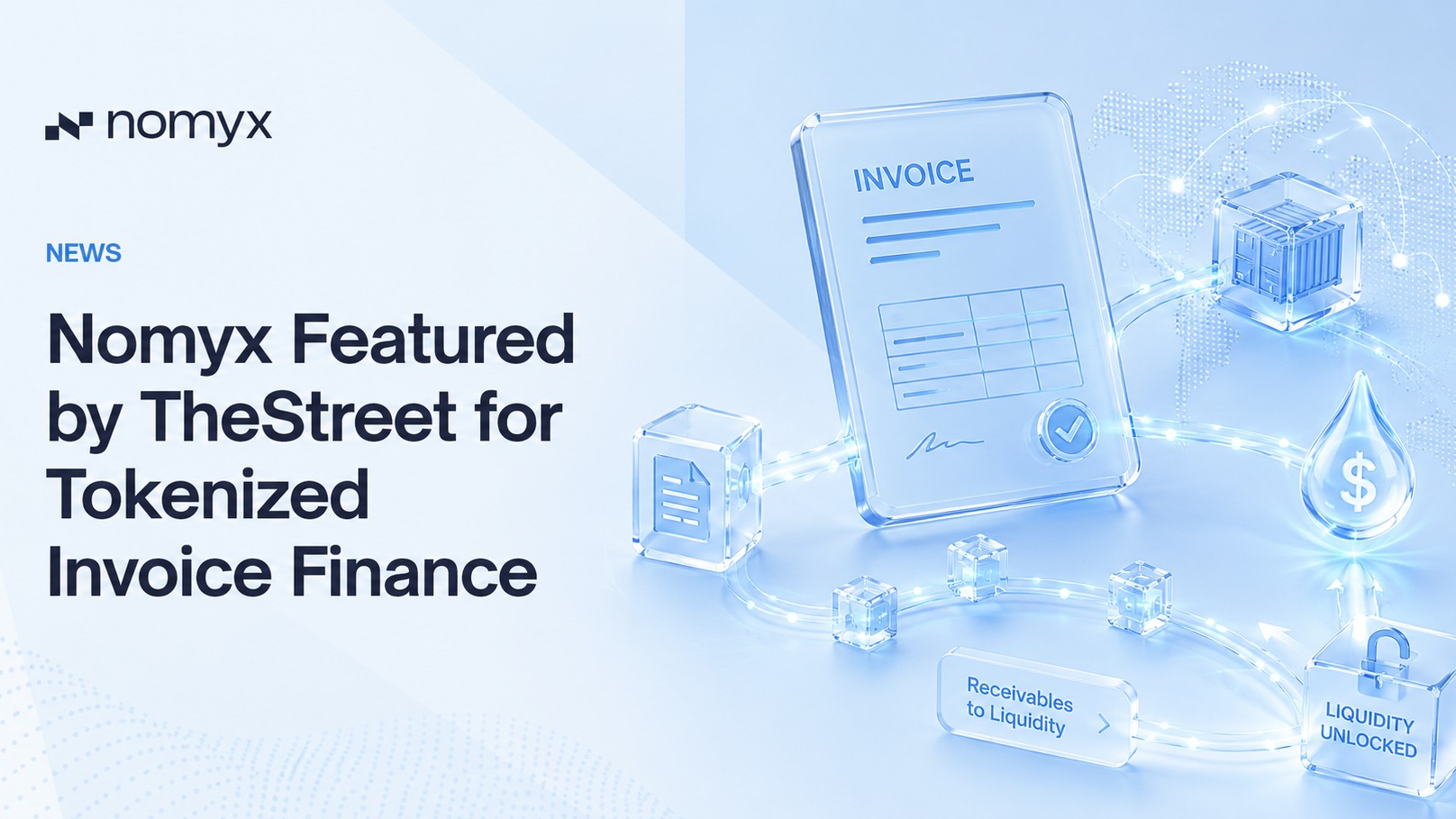
Tokenized trade finance invoices infrastructure represents a fundamental shift from legacy paper-based workflows to digital, blockchain-enabled settlement. At its core, this system converts outstanding invoices—previously illiquid assets—into digital tokens that can be instantly verified, tracked, and traded. This transformation addresses the chronic liquidity gaps that have long plagued global supply chains, where payment terms often stretch 60 to 120 days.
The infrastructure relies on distributed ledger technology to create a single source of truth for invoice data. Unlike traditional SWIFT messages, which merely communicate payment instructions between banks, tokenized systems embed the invoice itself into a secure digital format. This reduces the risk of duplicate financing and provides unprecedented transparency into ownership history. According to Chainlink, tokenized receivables allow businesses to unlock liquidity by converting these digital assets into tradable instruments.
BNY Mellon notes that this tokenization process significantly improves transparency over ownership and transfer history, thereby reducing the risk of duplicate presentation. The infrastructure typically involves three key layers: the digital representation of the invoice, the blockchain network for settlement, and the interoperable gateways that connect these digital tokens to traditional banking systems. This setup allows small and medium-sized enterprises (SMEs) to access financing at rates previously reserved for large corporations.
The infrastructure also integrates oracle services to verify real-world data, such as shipping documents or customs clearance, ensuring that the digital token accurately reflects the physical trade. This verification layer is critical for maintaining trust in the system, as it bridges the gap between digital assets and physical goods. By automating compliance and verification, the infrastructure reduces the administrative burden on all parties involved, from exporters to financiers.
Ultimately, the tokenized trade finance invoices infrastructure is not just a technological upgrade but a restructuring of how trade credit is created and managed. It moves the industry away from fragmented, bank-centric models toward a more open, liquid, and efficient ecosystem. As regulatory frameworks evolve, this infrastructure is poised to become the standard for cross-border trade finance, offering greater speed, security, and accessibility for participants worldwide.
Why onchain invoice liquidity matters now
The shift toward tokenized trade finance invoices infrastructure is driven by a simple friction point: traditional invoice financing is slow, expensive, and exclusionary. For small and medium enterprises (SMEs), accessing working capital often means navigating a labyrinth of intermediaries. Banks and factoring companies take significant cuts and take weeks to verify documents and transfer funds. This bottleneck leaves many businesses with valid, healthy invoices unable to access cash when they need it most.
Tokenization removes these layers. By converting invoices into secure, verifiable, and instantly tradable digital assets on a blockchain, the process becomes transparent and automated. This isn't just a minor upgrade; it fundamentally reshapes receivables financing. As noted by industry analyses, tokenization allows multiple investors to fund portions of invoices simultaneously, dramatically increasing liquidity and reducing the reliance on traditional intermediaries [src-serp-6].
The result is a more efficient market where capital flows faster and cheaper. SMEs can tap into a broader pool of investors rather than relying on a single bank's credit line. This democratization of access is the primary driver for the current market shift, turning static receivables into dynamic, liquid assets.
To understand the scale of this efficiency gain, compare the traditional model with the tokenized approach:
| Feature | Traditional Factoring | Tokenized Receivables |
|---|---|---|
| Time to Liquidity | 1-4 weeks | Minutes to hours |
| Cost of Capital | High (intermediary fees) | Lower (disintermediated) |
| Accessibility | Limited to bank clients | Open to multiple investors |
| Verification | Manual document review | Automated onchain verification |
This structural advantage explains why major financial institutions and fintech startups are racing to build infrastructure that supports this new model. The market is no longer asking if tokenization will happen, but how quickly it can scale to meet the demand for faster, fairer trade finance.
Technical architecture and data feeds
The backbone of any tokenized trade finance invoices infrastructure relies on a stack that bridges traditional banking data with blockchain transparency. At its core, this system converts outstanding invoices into digital tokens, allowing them to be collateralized for immediate liquidity. This process isn't just about digitization; it's about creating a verifiable, immutable record that reduces settlement times from weeks to minutes.
Smart contracts serve as the automated execution layer. Once predefined conditions are met—such as the receipt of goods or the expiration of a credit term—the contract automatically triggers payment or transfers token ownership. This eliminates the need for manual reconciliation and reduces the risk of human error or fraud. The code acts as a neutral third party, enforcing terms without the lag of traditional intermediaries.
However, smart contracts can only act on data they receive. This is where oracles become critical. Oracles act as secure gateways, feeding real-world data—like shipping confirmations or bank statements—onto the blockchain. Without reliable oracles, the tokenized invoice remains isolated from the physical reality of the trade, rendering the automation ineffective. The integrity of the entire infrastructure depends on the accuracy and timeliness of these external data feeds.
Market volatility context
The stability of these financial instruments is often influenced by broader market dynamics. Traders monitoring the sector often watch major crypto assets for sentiment indicators, as liquidity in tokenized finance can correlate with broader digital asset trends.

Key risks and regulatory hurdles
Use this section to make the Tokenized Trade Finance Invoices Infrastructure decision easier to compare in real life, not just on paper. Start with the reader's actual constraint, then separate must-have requirements from details that are merely nice to have. A practical choice should survive normal use, maintenance, timing, and budget. If a recommendation only works in an ideal situation, call that out plainly and give the reader a fallback path.
The simplest way to use this section is to write down the must-have criteria first, then compare each option against those criteria before weighing nice-to-have features.
Strategic implementation checklist
Integrating tokenized trade finance invoices infrastructure requires moving from manual verification to automated, blockchain-based settlement. This workflow ensures your treasury operations remain compliant while unlocking liquidity from unpaid receivables.
Before tokenizing, ensure the underlying invoice is valid. Use digital signatures or API integrations with your ERP to confirm that the goods were delivered and the debt is undisputed. This step prevents fraud and ensures the token represents a real asset.

Mint the verified invoice as a digital token on a compliant blockchain. This converts the unpaid claim into a tradable financial instrument. Ensure the ledger supports regulatory requirements for your jurisdiction, allowing for clear ownership records and audit trails.

Connect your tokenized assets to your existing treasury management system. This allows your team to monitor liquidity, track tokenized invoices, and execute financing decisions without switching platforms. The goal is seamless visibility into your receivables portfolio.

Once tokenized, the invoice can be financed, sold, or traded. You can offer these tokens to investors or use them as collateral for immediate liquidity. This process accelerates cash flow and reduces the days sales outstanding (DSO) for your business.
By following this structured approach, institutions can effectively adopt tokenized trade finance invoices infrastructure, turning static receivables into dynamic, liquid assets.
Common questions on trade finance tokenization
Tokenized trade finance invoices infrastructure reshapes how capital moves through global supply chains. Here are answers to the most frequent questions about this emerging market.
What are the four pillars of trade finance?
The industry relies on four core components: trade financing, trade insurance, trade compliance, and trade logistics. Tokenization primarily targets the financing and compliance layers by digitizing documents and automating payments through smart contracts.
Is XRP part of tokenization?
XRP is often used in cross-border settlement infrastructure due to its speed and low cost. While not the only option, it serves as a bridge currency for some tokenized trade finance platforms to facilitate instant liquidity between parties.
What is the downside of tokenization?
The main challenges include regulatory uncertainty, integration complexity with legacy banking systems, and the need for standardized legal frameworks. Without clear jurisdictional rules, tokenized assets can face liquidity fragmentation or legal ambiguity.
What are the risks of invoice financing?
Traditional invoice financing carries counterparty risk and fraud potential. Tokenization reduces these risks through immutable records and automated verification, but new risks emerge in smart contract vulnerabilities and oracle data accuracy.
No comments yet. Be the first to share your thoughts!