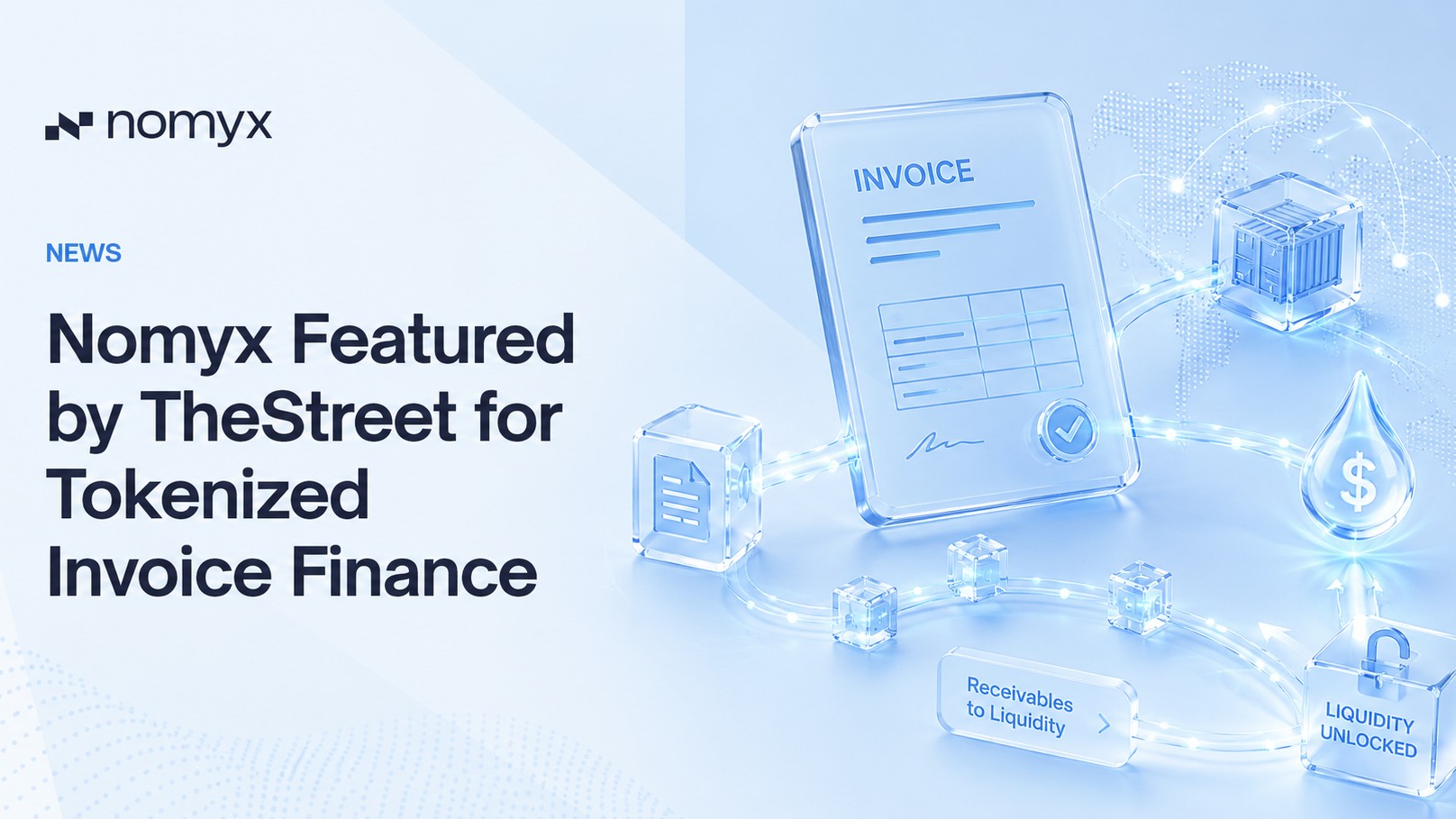
Tokenized trade finance invoices are real assets, not just digital records
Tokenized trade finance invoices are not simply digitized PDFs sitting in a database. They are actual financial instruments created by converting off-chain receivables into on-chain digital tokens. This process transforms a static promise of payment into a transferable, programmable asset that can move instantly across a blockchain network.
When a supplier issues an invoice, they are essentially extending credit to a buyer. In traditional trade finance, this receivable is often stuck in paperwork, waiting for net-30 or net-60 terms. Tokenization wraps this receivable in a smart contract. The resulting token represents a fractional or whole claim on that future cash flow, allowing it to be traded, collateralized, or settled in minutes rather than weeks.
This distinction matters because it unlocks immediate liquidity. Instead of waiting for the invoice due date, suppliers can sell these tokens to investors or lenders at a discount to get cash now. Buyers still pay the full amount later, but the supply chain gets the working capital it needs today. This mechanism is distinct from simple digital records because the token itself holds value and can be verified on a public ledger, reducing fraud and administrative overhead.
The infrastructure relies on blockchain technology to ensure transparency and security. Each token is backed by a real-world invoice, meaning its value is derived from the creditworthiness of the buyer. This creates a bridge between traditional finance and decentralized systems, allowing trade finance to scale globally without the friction of legacy banking systems.
The technical stack behind tokenized trade finance invoices
Tokenizing trade receivables isn’t just about slapping a digital label on a PDF invoice. It requires a robust technical infrastructure that bridges the gap between traditional legal frameworks and blockchain efficiency. For a Tokenized Trade Finance Invoice guide to be practical, we need to look at three core layers: oracles for data integrity, smart contracts for enforcement, and stablecoins for settlement.
Oracles verify off-chain reality
Blockchain data is only as good as the information fed into it. Since invoices exist in off-chain systems like ERPs or legacy banking platforms, we need a trusted bridge. Oracles act as this bridge, verifying that the invoice details—amount, due date, and debtor status—match reality before they are recorded on-chain.
Without reliable oracles, the risk of "garbage in, garbage out" would make tokenized invoices too risky for institutional capital. Chainlink, for example, provides decentralized oracle networks that can aggregate data from multiple sources to ensure the tokenized asset reflects the true value of the underlying receivable. This verification step is critical for establishing trust among lenders who may not be familiar with the specific blockchain technology.
Smart contracts enforce legal terms
Once the data is verified, smart contracts take over. These self-executing codes automate the lifecycle of the tokenized invoice. They handle everything from interest accruals to automatic payments when the debtor settles the debt. More importantly, they can embed legal clauses directly into the code, ensuring that rights transfer seamlessly when the token is sold or used as collateral.
This automation reduces administrative overhead and minimizes the risk of human error or fraud. By encoding the legal agreement into the blockchain, all parties have a single, immutable source of truth. This transparency is what allows trade finance to move from a weeks-long process to a near-instant transaction.
Stablecoins enable instant settlement
The final layer is the settlement mechanism. Traditional trade finance often involves days or weeks of clearing and settlement. Stablecoins, which are cryptocurrencies pegged to fiat currencies like the US dollar, offer a faster alternative. They allow for 24/7 settlement with minimal friction and lower costs compared to traditional banking rails.
When a debtor pays off a tokenized invoice, the stablecoin transfer is immediate and final. This liquidity boost is a primary driver for SMEs seeking working capital. By combining oracles, smart contracts, and stablecoins, the infrastructure supports a more efficient, transparent, and accessible market for tokenized trade finance invoices.
Liquidity mechanics and secondary market trading
Tokenized Trade Finance Invoices works best when the purchase path is explicit. Verify the source, compare the offer against real alternatives, check the total cost, and confirm what happens after payment before you decide.
| Factor | What to check | Why it matters |
|---|---|---|
| Fit | Match the option to the primary use case. | A good deal still fails if it does not fit the job. |
| Condition | Verify age, wear, and service history. | Hidden condition issues erase upfront savings. |
| Cost | Compare purchase price with likely upkeep. | The cheapest option is not always the lowest-cost option. |
Navigating credit risk and regulatory compliance
Tokenizing trade finance invoices introduces a complex layer of strategic risk that traditional banking protocols manage differently. When you move from paper to blockchain, you are no longer just managing counterparty credit; you are also managing code reliability and jurisdictional ambiguity. A smart contract vulnerability or a misconfigured oracle can freeze liquidity or expose investors to uncollateralized loss, making technical diligence as important as financial due diligence.
Assessing smart contract and oracle reliability
The integrity of a tokenized invoice depends entirely on the off-chain data feeding it. Oracles must accurately reflect the underlying invoice’s status, including payment confirmations and disputes. If an oracle fails to update or is compromised, the token’s value becomes decoupled from reality. Auditing the smart contract’s logic and the oracle’s data sources is non-negotiable for any platform claiming to handle real trade receivables.
Understanding security token regulations
Tokenized invoices often qualify as security tokens, subjecting them to strict securities laws like the SEC’s regulations in the US or MiCA in the EU. Platforms must implement robust KYC/AML procedures and ensure that secondary trading occurs on compliant venues. Failing to navigate these regulatory frameworks can result in severe penalties or the forced shutdown of the tokenization infrastructure.
Evaluating issuer creditworthiness
Even with perfect technology, the underlying asset must have value. The credit risk of the original invoice issuer remains the primary driver of default risk. Investors must assess the financial health of the SME or corporation issuing the invoice, just as they would with a traditional bond. Tokenization does not eliminate credit risk; it merely changes how it is priced and transferred.
Implementing robust legal structures
A clear legal framework is essential to enforce ownership rights on-chain. The token must represent a legal claim to the underlying receivable, with clear provisions for what happens in case of default. Without enforceable legal structures, the token is just a digital record with no recourse, leaving investors exposed to total loss if the issuer defaults.
Market adoption moves from pilots to production
The conversation around tokenized trade finance invoices has shifted from theoretical pilots to active deployment. Banks and fintechs are no longer just testing the waters; they are integrating tokenization into core supply chain finance workflows. This transition is driven by the tangible benefits of instant settlement and reduced counterparty risk, turning static invoices into liquid, digital assets.
Major financial institutions are leading this charge by partnering with established blockchain infrastructure providers. These collaborations focus on creating interoperable networks where trade documents can be verified and traded across borders with minimal friction. The goal is to replace legacy, paper-heavy processes with smart contract-driven systems that automate compliance and payment triggers.
Real-world use cases are expanding beyond simple factoring. Companies are now using tokenized invoices to access dynamic discounting, where suppliers get paid early in exchange for a slight discount, funded by institutional investors seeking yield. This liquidity injection helps businesses manage cash flow more effectively while providing investors with a new, asset-backed class.
While the technology is mature, regulatory clarity remains the final hurdle for widespread adoption. Authorities are working to define the legal status of digital trade assets, ensuring that tokenized invoices hold the same weight as traditional paper instruments. Until these frameworks are fully established, adoption will likely remain concentrated among early adopters with strong compliance teams.
Technical architecture visualization
To understand how these components interact, it is helpful to visualize the flow of data and value from the initial invoice creation to final settlement.
Conclusion
Tokenized trade finance invoices represent a significant evolution in how working capital is managed. By bridging the gap between traditional credit instruments and blockchain efficiency, they offer suppliers immediate liquidity and investors new, transparent asset classes. However, successful adoption requires rigorous attention to technical security, regulatory compliance, and legal enforceability. As the infrastructure matures, we can expect tokenization to move from niche pilots to a standard component of global trade finance.
No comments yet. Be the first to share your thoughts!