Tokenized Trade Finance Invoices Infrastructure
Tokenized trade finance invoices infrastructure converts trade receivables, letters of credit, and warehouse receipts into blockchain-based digital assets. This infrastructure enables the securitization of trade finance instruments by transforming illiquid claims into programmable tokens that represent ownership or debt obligations on a distributed ledger.
The core mechanism relies on converting rights into digital tokens that can be settled instantly using central bank digital currencies (CBDCs) or stablecoins. By breaking down large invoice values into smaller units, the infrastructure facilitates fractional ownership and secondary market trading, which historically were restricted to institutional players. This shift reduces settlement times from days to minutes and lowers the cost of liquidity provision.
However, building this infrastructure requires strict compliance with existing trade finance regulations and interoperability between traditional banking systems and blockchain networks. The primary challenge lies in ensuring that the digital token accurately reflects the underlying physical trade transaction and that all parties—buyers, sellers, and financiers—recognize the token as a valid legal claim.
Tokenized trade finance invoices: choices that change the plan
Tokenizing trade finance invoices transforms illiquid receivables into digital assets, enabling faster settlement and broader investor access. However, this shift introduces specific operational and financial tradeoffs. Evaluating these factors helps determine whether tokenization aligns with your liquidity needs and risk tolerance.
Liquidity vs. Compliance Costs
Tokenization unlocks secondary markets, allowing invoices to be traded instantly. This liquidity often comes at a price. Regulatory compliance for digital assets can be more complex and costly than traditional paper-based processes. You must weigh the speed of capital access against the overhead of legal and technical infrastructure.
Transparency vs. Data Privacy
Blockchain ledgers provide immutable transparency, reducing fraud and double-financing risks. Yet, this visibility extends to all participants. Sensitive commercial terms, such as supplier relationships or pricing structures, may be exposed. You need robust data privacy layers to protect competitive advantages while maintaining auditability.
Technical Integration vs. Operational Simplicity
Integrating tokenized assets into existing ERP and banking systems requires significant technical effort. Legacy platforms may not support smart contract interactions natively. While the long-term efficiency gains are substantial, the initial implementation can disrupt daily operations. Evaluate the maturity of your current tech stack before committing.
| Factor | Tokenized | Traditional | Key Tradeoff |
|---|---|---|---|
| Settlement Speed | Near-instant | Days to weeks | Speed vs. finality confirmation |
| Liquidity | High (secondary market) | Low (held to maturity) | Access to capital vs. regulatory complexity |
| Transparency | Full ledger visibility | Siloed records | Fraud reduction vs. data privacy |
| Compliance | Smart contract enforced | Manual verification | Automation vs. implementation cost |
| Intermediaries | Fewer (disintermediated) | Many (banks, agents) | Lower fees vs. loss of relationship capital |
The volatility of crypto markets can impact tokenized asset pricing if linked to digital collateral. Monitoring market trends is essential for risk management.
Choose the next step: Build a practical decision framework
Tokenized trade finance moves beyond theoretical blockchain pilots into active liquidity pools. To navigate this shift, you need a framework that balances regulatory compliance with the speed of digital settlement. The following steps outline how to evaluate infrastructure, select tools, and structure your market strategy for 2026.
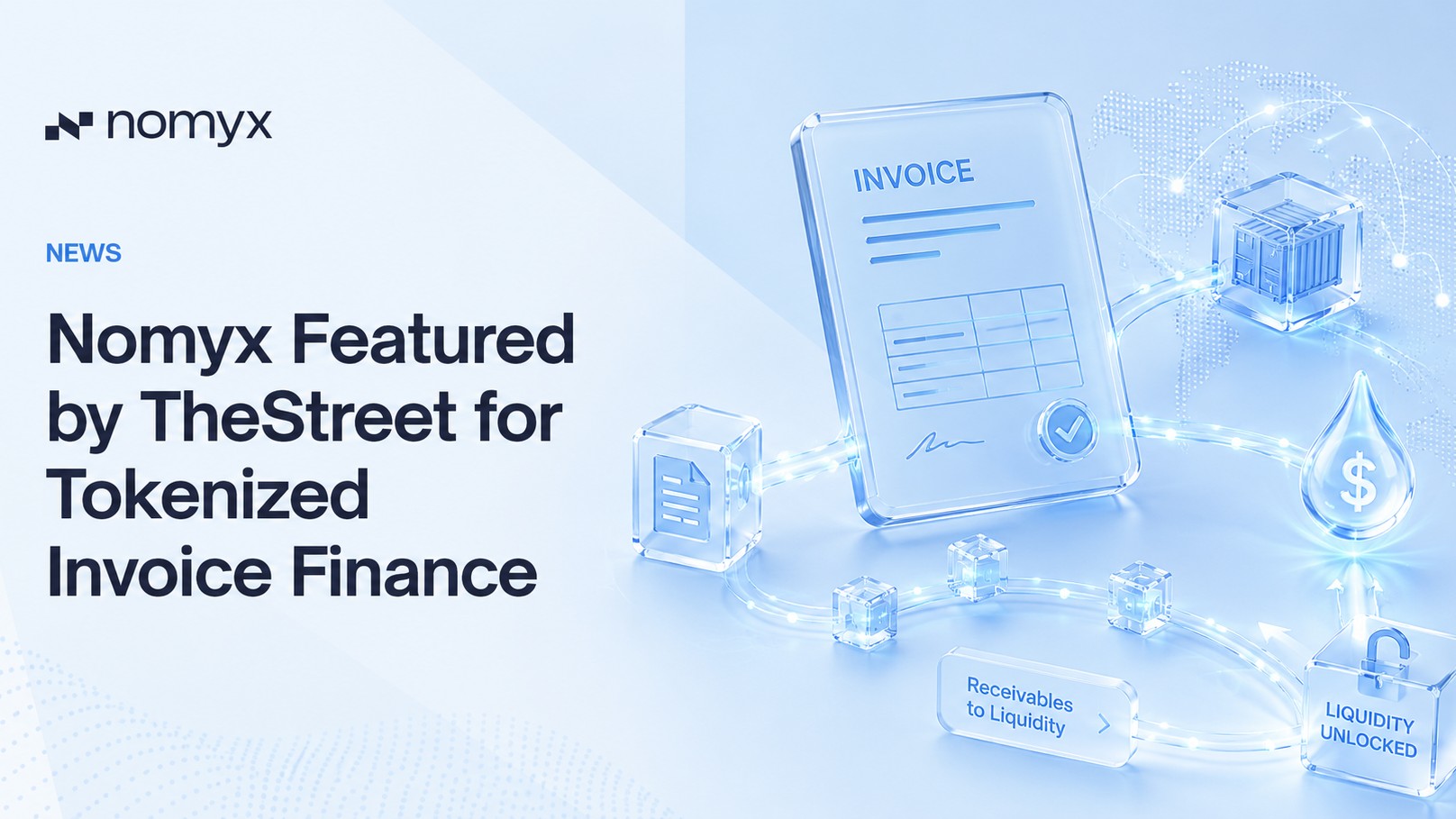
Start by identifying which invoices are eligible for tokenization. Not all receivables are suitable; focus on those with clear, verifiable underlying trade documents and low dispute risk. Tokenization transforms these invoices into digital assets that can be settled using central bank digital currencies (CBDCs) or stablecoins, reducing settlement times from days to minutes.
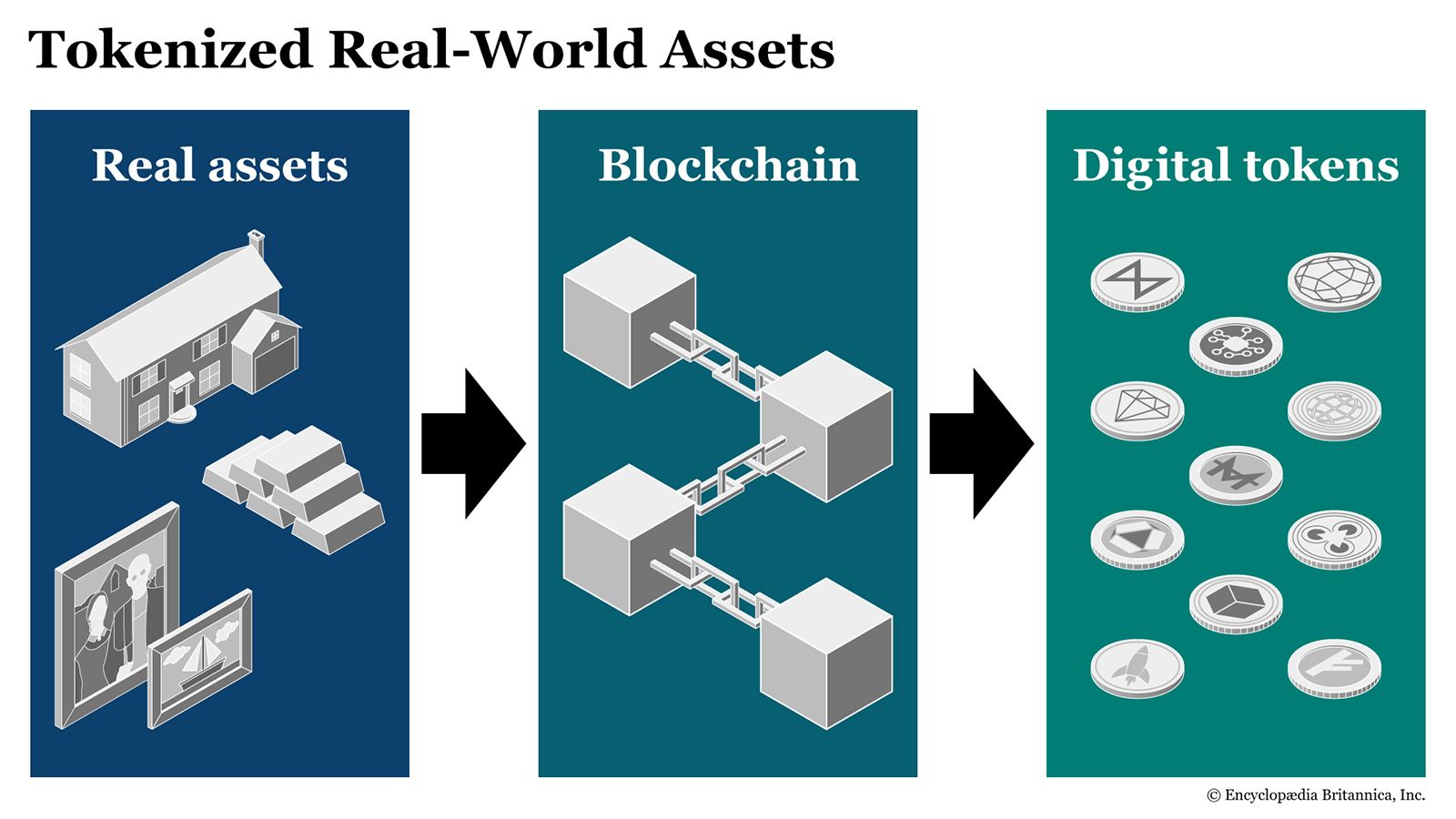
Choose a platform that integrates directly with existing banking rails. The infrastructure must support Know Your Customer (KYC) and Anti-Money Laundering (AML) checks at the token level. Look for providers that offer fractional ownership capabilities, allowing you to break down large trade finance instruments into smaller, tradable units without losing legal enforceability.
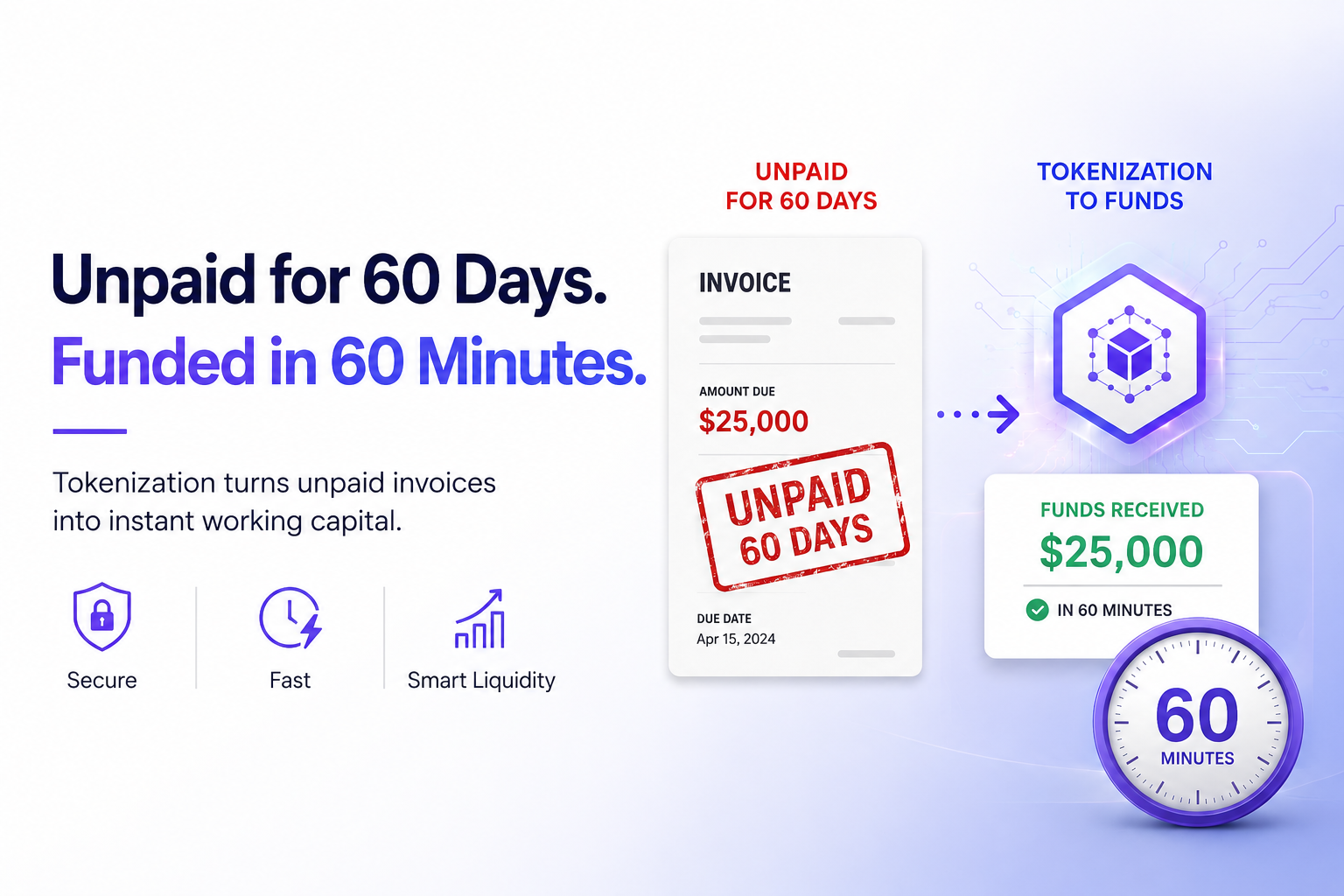
Tokenization is only valuable if the assets can be traded. Establish clear rules for how these tokens will move between investors. Consider whether you will use a regulated exchange or a private secondary market. Liquidity is the primary driver of value in tokenized trade finance, so ensure your strategy includes mechanisms for price discovery and secondary sales.
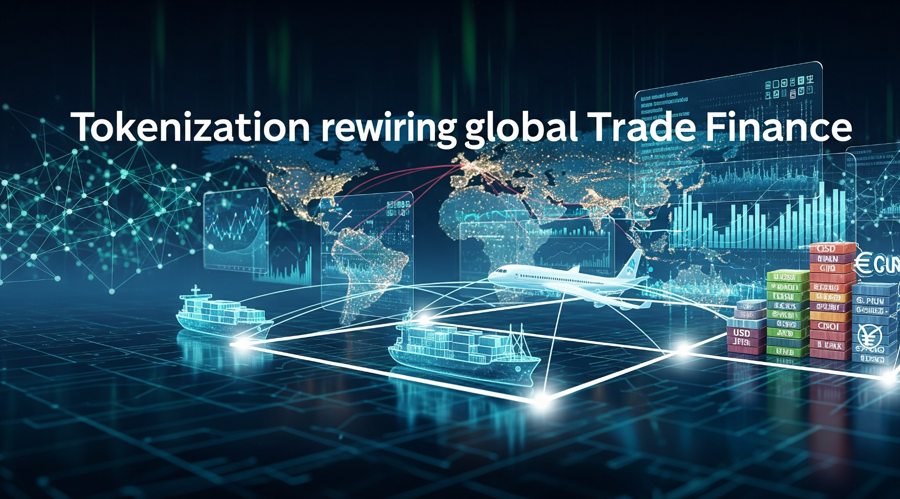
Move away from manual reconciliation by embedding smart contracts into your workflow. These contracts should automatically release payments when predefined trade milestones are met. This reduces administrative overhead and minimizes the risk of human error or fraud. Ensure your smart contracts are audited and compatible with the blockchain standards used by your banking partners.


As an Amazon Associate, we may earn from qualifying purchases.
Watch out for weak tokenized trade finance options
The tokenized trade finance market is moving fast, but not every infrastructure provider delivers real value. Many platforms promise liquidity and transparency but fail on the technical details that matter for trade. Before you commit capital or integrate a new system, check these common pitfalls.
Verify the underlying asset linkage
Tokenization is only as good as the data backing it. A common mistake is assuming that a digital token automatically represents a verified, legal claim on a physical shipment or invoice. Check if the platform uses oracle systems or direct API connections to legacy trade finance systems (like SWIFT or ERP software) to confirm the asset exists and hasn't been double-spent. If the link between the digital token and the real-world invoice is manual or opaque, the option is weak.
Check settlement finality and speed
Not all blockchains settle instantly. Some platforms use slow consensus mechanisms that delay payment finality, which defeats the purpose of tokenization in trade finance. Look for infrastructure that offers near-instant finality, often through Layer-2 solutions or specific consensus models. If settlement takes hours or days, you might as well use traditional banking rails. The speed advantage is the primary reason to choose tokenization.
Assess regulatory compliance and custody
Tokenized invoices often represent real money. If the platform doesn't have clear custody solutions and regulatory licenses, your funds are at risk. Avoid platforms that operate in regulatory gray areas or rely on unregulated custodians. Ensure the provider complies with local financial regulations, such as AML (Anti-Money Laundering) and KYC (Know Your Customer) requirements. This isn't just about legality; it's about the safety of your liquidity.
Tokenized trade finance invoices infrastructure: what to check next
Tokenized trade finance invoices infrastructure questions address the practical mechanics of moving receivables on-chain. This section clarifies the distinction between the underlying commercial exposure and the digital layer that facilitates settlement.
No comments yet. Be the first to share your thoughts!