What invoice tokenization actually is
If you are looking for a 2026 tokenized trade finance strategy, understanding that invoice tokenization converts outstanding receivables into blockchain-based digital tokens is the first step. This mechanism allows suppliers to unlock working capital immediately and enables investors to buy fractional ownership in the receivable.
Invoice tokenization is the process of converting outstanding invoices into digital tokens on a blockchain to collateralize them for immediate liquidity [src-1]. This mechanism is distinct from simple digitization or digitalization. Digitization merely captures the data of a physical paper invoice into a PDF or database record. Tokenization, however, transforms the invoice into a unique, blockchain-based asset that can be tracked, secured, and traded.
In the context of trade finance, this means a supplier no longer waits 30, 60, or 90 days for a buyer to pay. Instead, they tokenize the receivable and sell it to investors or lenders who provide immediate cash [src-7]. The investor receives the token, which represents a claim on the future payment from the buyer. When the buyer eventually pays, the smart contract automatically distributes the funds, repaying the investor and closing the loop.
This shift from static records to dynamic assets solves a long-standing friction in global trade. Traditional trade finance relies heavily on trust, manual verification, and slow banking corridors. By putting invoices on-chain, the process becomes transparent and programmable. The token serves as proof of ownership and authenticity, reducing the risk of fraud and double-spending that plagues traditional invoice factoring.
The result is a more efficient market for working capital. Suppliers get cash faster, improving their operational stability. Investors gain access to a new asset class with potentially higher yields than traditional bonds. And buyers can extend payment terms without straining their suppliers' liquidity, creating a more resilient supply chain ecosystem.
Step 1: Structure the legal SPV
In a tokenized trade finance invoice guide, the Special Purpose Vehicle (SPV) is your first and most critical structural decision. Think of the SPV as a fireproof vault. When you place invoice assets inside this legal entity, they are completely isolated from the originator’s balance sheet. This separation ensures bankruptcy remoteness, meaning if the company issuing the invoices goes under, investors holding the tokens still own their share of the cash flow.
To set this up, you need to draft specific trust deeds or operating agreements that clearly define who controls the assets and how proceeds are distributed. This isn't just paperwork; it's the mechanism that allows smart contracts to automatically route payments to token holders. Without this legal backing, the blockchain tokens are merely digital claims with no real-world enforcement.


As an Amazon Associate, we may earn from qualifying purchases.
Once the SPV is established, you will transfer the invoice portfolio into it. This transfer must be "true sale" compliant, meaning the legal title moves entirely to the SPV, not just as collateral. This step finalizes the isolation, ensuring the assets are truly off-balance-sheet for the originator and protected for your tokenized trade finance investors.
Step 2: Select the tokenization infrastructure
Choosing the right blockchain for your tokenized trade finance invoices is a foundational decision. You must balance the need for public transparency against the strict privacy requirements of corporate finance. The two primary paths are public EVM-compatible chains and permissioned enterprise ledgers.
Public EVM chains like Ethereum or Polygon offer immediate liquidity and broad interoperability. However, they expose invoice data to the public by default. To use them for tokenized trade finance invoices, you typically need Layer 2 solutions or zero-knowledge proofs to keep sensitive commercial terms private while still proving validity. In contrast, permissioned ledgers like Hyperledger Fabric or Corda restrict access to known participants. This architecture naturally aligns with trade finance, where only the buyer, seller, and their banks should see the underlying invoice data.
Regardless of the chain you pick, you need a reliable way to get real-world invoice data onto the blockchain. This is where oracle networks like Chainlink come in. They act as the secure bridge, verifying that the invoice data from your ERP system matches the on-chain token. Without this oracular layer, your tokenized trade finance invoices would be isolated from the real economic activity they represent.
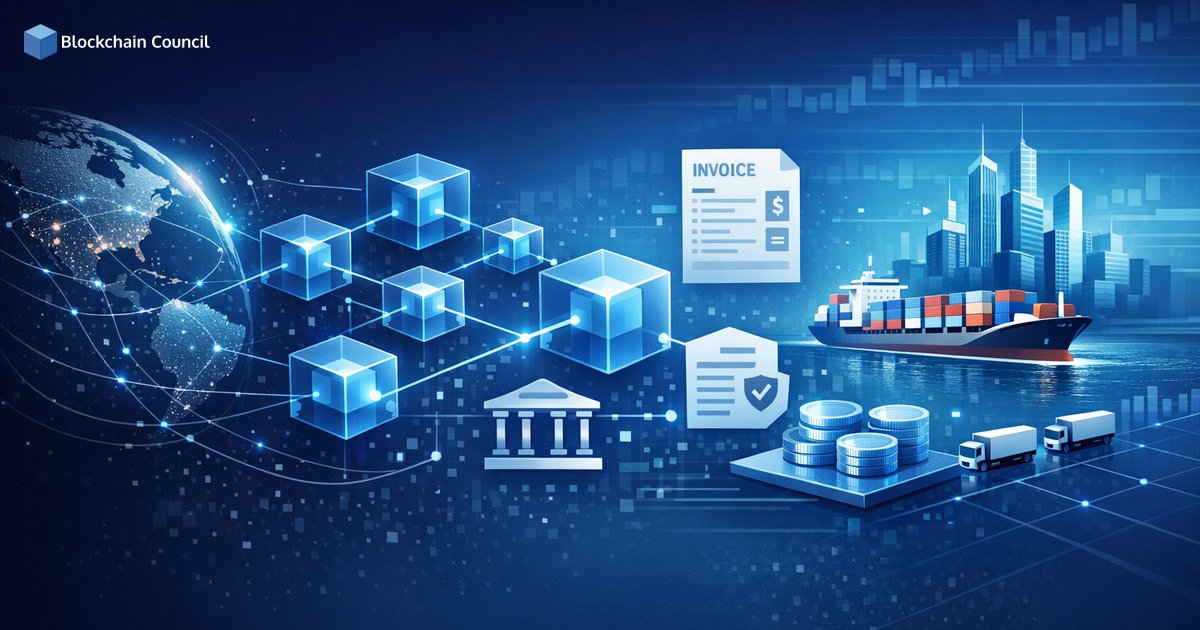
Onboard and verify the invoice
Before the token enters the market, you must ensure the underlying asset is real and the parties involved are legitimate. This phase bridges traditional trade compliance with blockchain transparency. For a tokenized trade finance invoices guide, this step is where risk is actually managed. You cannot tokenize a receivable that doesn't exist or involves a counterparty with a hidden history of fraud.
Start with KYC (Know Your Customer) and KYB (Know Your Business) checks. Verify the legal identity of both the supplier (seller) and the buyer (debtor). This ensures that the entity issuing the invoice is a real business and the entity owing the money is legitimate. Many platforms require official documentation, such as business licenses and tax IDs, to prevent identity theft and money laundering.
Once identities are confirmed, review the underlying trade contract. The invoice must correspond to a genuine exchange of goods or services. Check for delivery receipts, bills of lading, or service completion certificates. This step proves the debt is valid and enforceable. Without this proof, the tokenized invoice is just a digital IOU with no real-world backing.
The buyer must explicitly acknowledge the debt. This often involves a digital signature or a smart contract acknowledgment that confirms the amount, due date, and payment terms. This step is critical because it prevents disputes later. If the buyer later claims they never received the goods, the token holder has clear, on-chain evidence of the agreement.
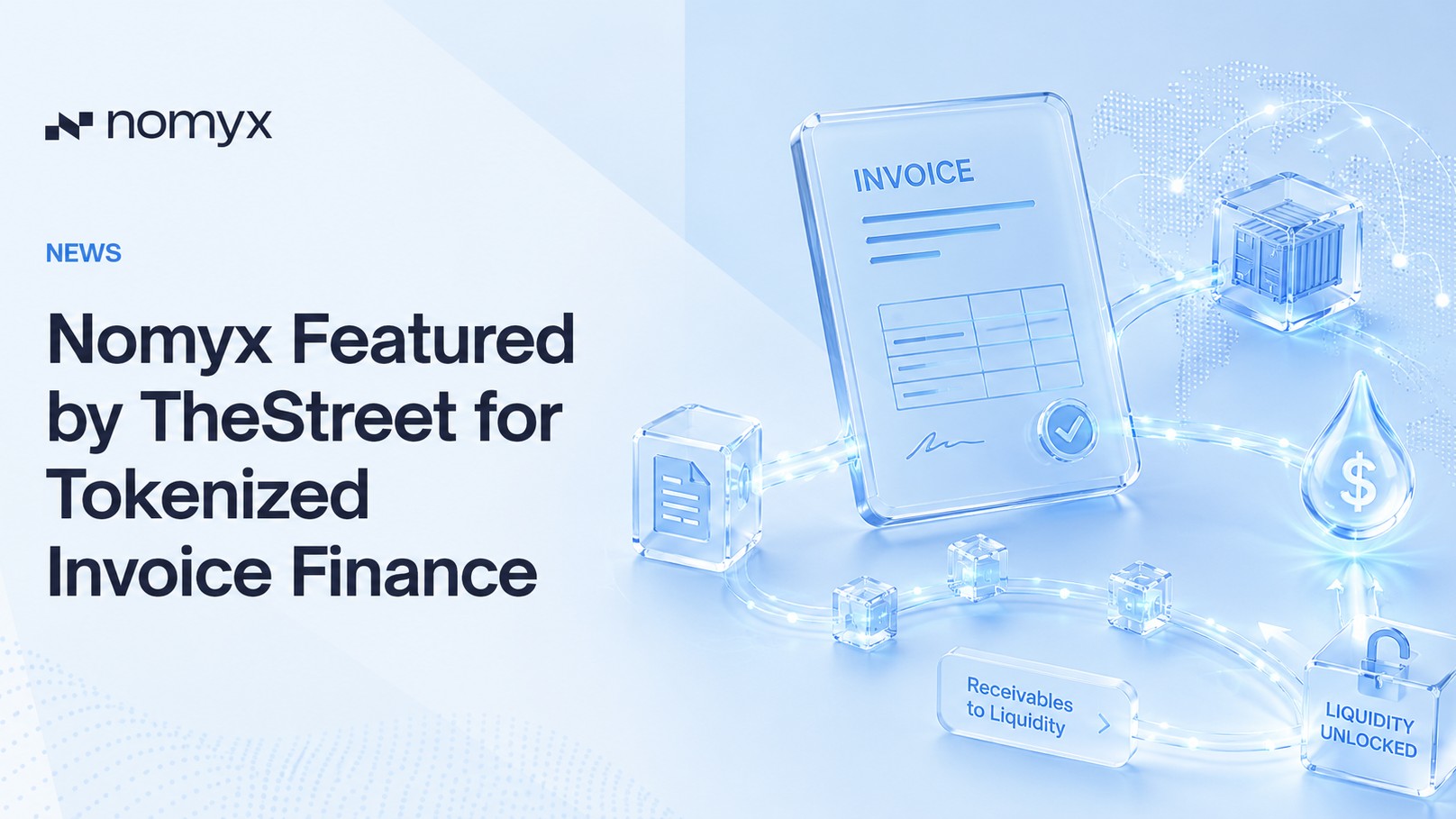
With verification complete, the platform mints the token. This token represents the right to receive the payment. It is typically issued on a blockchain like Ethereum or a specialized trade finance ledger. The token’s metadata includes the invoice details, expiration date, and any interest or discount rates. This token can now be held, traded, or used as collateral for financing.
The verification process is the backbone of trust in tokenized trade finance. By rigorously checking identities and contracts, you ensure that the tokenized trade finance invoices guide you are following leads to secure, liquid assets rather than speculative fiction. This diligence protects all parties and makes the entire ecosystem viable for institutional investors.
List on secondary markets
Once your tokenized trade finance invoice is minted and verified, the final step is providing liquidity to the supplier. This is done by listing the digital asset on a secondary market where institutional or accredited investors can purchase it. Unlike traditional factoring, where you wait for a bank’s manual underwriting, these platforms allow for near-instant settlement, turning accounts receivable into immediate cash.
The process begins by selecting a compatible trading venue. These markets operate either as regulated securities exchanges or decentralized finance (DeFi) protocols. For tokenized trade finance invoices, the choice depends on the investor base. Regulated platforms offer higher compliance safeguards, appealing to traditional asset managers. Decentralized platforms provide greater speed and accessibility for accredited investors familiar with blockchain technology.
You will need to connect your wallet to the chosen platform and approve the token transfer. The platform’s smart contract will verify that the invoice meets the necessary criteria, such as valid trade documents and insurer approvals. Once listed, the invoice becomes available for bidding or fixed-price purchase. This step effectively securitizes the receivable, allowing multiple investors to buy fractional shares if desired.
Liquidity is key in trade finance. By listing on these secondary markets, you transform a static paper obligation into a tradable asset. This not only accelerates cash flow but also diversifies your funding sources beyond traditional banking channels.
Common mistakes in tokenization
Even with a solid plan, tokenizing trade finance invoices can go wrong if you overlook three specific areas: legal structure, data sources, and blockchain choice. These aren't just technical glitches; they are structural failures that can freeze assets or expose you to regulatory risk.
Ignoring the legal wrapper
A token is only as good as the legal agreement behind it. Many projects fail because they treat the smart contract as the sole source of truth, ignoring the underlying invoice assignment. If the legal opinion doesn't clearly define ownership transfer upon token sale, investors have no real claim on the underlying receivable. You need a legal structure that mirrors the digital transfer exactly.
Opaque oracles
Trade finance relies on real-world events like bill of lading updates or payment receipts. If your oracle feed is unreliable or opaque, the token becomes a decoupled asset with no link to reality. Chainlink’s enterprise-grade oracles are often the standard here because they provide verifiable, tamper-resistant data feeds. Without this transparency, you risk duplicate presentations or fraud, negating the very benefits tokenization promises.
Wrong blockchain for compliance
Not all blockchains are created equal for regulated finance. Choosing a public, permissionless chain without proper privacy layers can expose sensitive trade data to competitors. Conversely, a private chain might lack the liquidity or network effects needed for secondary market trading. You must select a ledger that supports your specific compliance requirements, such as KYC/AML checks, while maintaining the necessary throughput.
-
Legal opinion obtained for token-asset linkage
-
Oracle feed tested for real-world data accuracy
-
Smart contract audited by reputable firm
-
Investor accreditation verified via on-chain or off-chain mechanism
No comments yet. Be the first to share your thoughts!