What tokenized trade finance invoices are
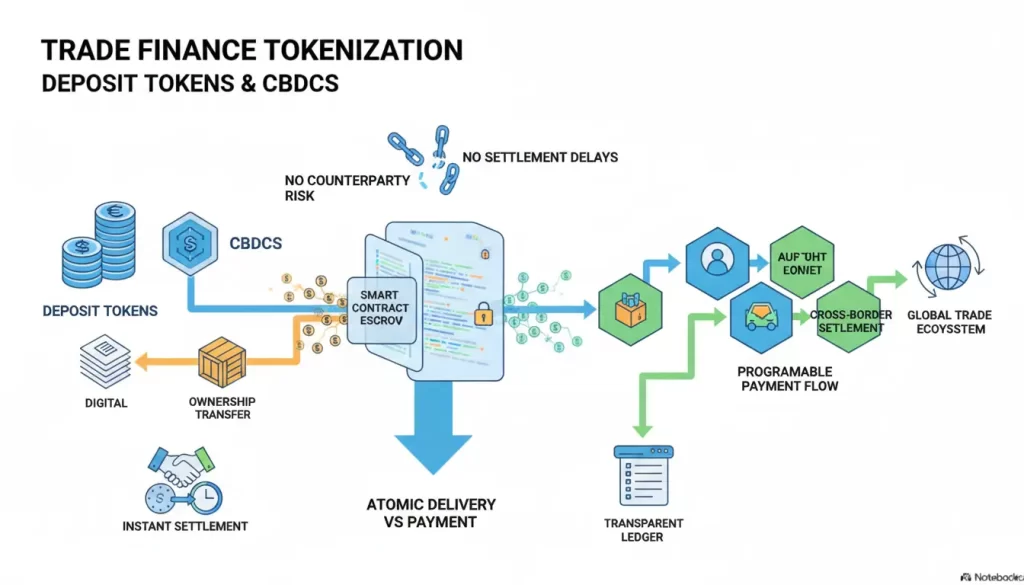
Tokenized trade finance invoices are outstanding receivables converted into digital tokens on a blockchain. This process transforms unpaid claims into transferable digital assets that can be financed, traded, or used as collateral. Unlike simple digitization, which just creates a PDF of a paper invoice, tokenization embeds ownership and payment terms into a cryptographic record that is immutable and transparent.
The core infrastructure relies on smart contracts to manage the lifecycle of the invoice. When an invoice is tokenized, the underlying debt is represented by a token on a distributed ledger. This allows buyers, sellers, and financiers to see the exact status of the payment obligation without relying on centralized intermediaries to verify the data.
This approach addresses the liquidity gap in traditional trade finance. Instead of waiting 30, 60, or 90 days for payment, businesses can realize the value of their receivables immediately by selling the tokens to investors. The tokens represent a direct claim on the future cash flow, making them a liquid instrument in markets that were previously illiquid.
For market participants, this shift means moving from manual reconciliation to automated settlement. The blockchain serves as a single source of truth, reducing disputes and administrative overhead. As the market matures, we expect to see more integration with oracle networks to verify real-world payment data, ensuring the token’s value remains tied to actual trade performance.
Infrastructure and settlement layers
Tokenizing an invoice isn't just about minting a digital token; it's about building the plumbing that connects traditional trade data to on-chain liquidity. The stack rests on three pillars: oracles that verify the underlying asset, smart contracts that enforce the terms, and stablecoin settlement rails that move the value. Without this technical foundation, a tokenized invoice is just a digital receipt with no financial teeth.
Verifying the Asset with Oracles
The biggest risk in trade finance is information asymmetry. A lender needs to know the invoice is real, the goods have shipped, and the buyer is obligated to pay. Oracles bridge this gap by pulling off-chain data—such as bill of lading status or ERP records—into the blockchain.
Chainlink serves as the primary infrastructure for this verification. Their decentralized oracle networks provide the reliable data feeds needed to trigger smart contract actions. For example, an oracle can confirm that a shipment has arrived at a port, automatically releasing funds from an escrow contract to the invoice holder. This reduces the need for manual reconciliation and speeds up settlement from weeks to minutes.
Smart Contract Logic
Smart contracts act as the automated middleman, executing the terms of the trade finance agreement without human intervention. They handle the complex logic of invoice discounting, factoring, and secondary market trading.
When an invoice is tokenized, the smart contract defines ownership rights, payment schedules, and default conditions. If the buyer pays the due amount by the deadline, the contract releases the token back to the buyer or transfers interest to the lender. If the buyer defaults, the contract can automatically trigger collateral liquidation or legal clauses defined in the digital agreement. This code-based enforcement is more transparent and faster than traditional legal processes.
Stablecoin Settlement
Settlement happens on the blockchain using stablecoins pegged to fiat currencies like the US dollar. This provides the speed of crypto with the stability of traditional currency. USDC and USDT are the most common vehicles for settling tokenized trade finance transactions.
Using stablecoins eliminates the foreign exchange risk and delay associated with traditional wire transfers. The settlement is final and irreversible, reducing counterparty risk. For cross-border trade, this means a supplier in Vietnam can receive payment from a buyer in Germany in seconds, not days, with lower fees than SWIFT transfers.
Market Context
The adoption of this infrastructure is growing as institutions seek faster trade finance solutions. The broader crypto market's volatility highlights the importance of stable settlement layers in trade finance.
Comparing tokenization platforms
Choosing the right infrastructure provider is less about picking the "best" blockchain and more about matching the ledger to your settlement needs. The market has consolidated around a few key models, each optimized for different parts of the trade finance lifecycle. Some platforms prioritize institutional compliance and fiat rails, while others focus on maximizing liquidity through open secondary markets.
When evaluating these options, look closely at three core pillars: how they handle regulatory compliance, the speed of final settlement, and who can actually buy the tokenized assets. A platform that offers lightning-fast settlement might lock you into a closed ecosystem, limiting your investor base. Conversely, an open platform might offer broader liquidity but require more manual compliance checks.
The table below breaks down the primary differences between the major approaches currently shaping the tokenized trade finance landscape.
| Feature | Institutional-First | Open Ecosystem | Hybrid Model |
|---|---|---|---|
| Primary Focus | Compliance & Fiat | Liquidity & Trading | Balanced Access |
| Investor Base | Banks, Funds | Retail, Pro, Inst. | Mixed |
| Settlement Speed | T+0 to T+1 | Near Real-Time | T+0 |
| Compliance Layer | Hard-coded KYC/AML | Wallet-level checks | Integrated SDK |
| Best For | Large corporate receivables | Factoring & SME finance | Mixed portfolios |
How to Participate and Manage Risk
Investors access tokenized trade finance primarily through regulated platforms that pool invoice receivables into securitized tranches. This structure transforms illiquid commercial debt into liquid onchain assets, allowing participation in short-term credit markets that were previously restricted to institutional balance sheets. By holding fractionalized tokens, you gain exposure to diverse industries and geographies without the operational overhead of direct invoice management.
The yield mechanics are straightforward: the underlying invoice generates interest from the corporate debtor, which flows through the smart contract to token holders. However, these yields are not static. They fluctuate with the creditworthiness of the originator and the broader cost of capital. To understand current market pricing and liquidity depth, it is essential to monitor real-time data for related Real World Asset (RWA) tokens.
Participating in this space requires rigorous due diligence on the offchain legal framework. Unlike pure crypto assets, the value here is tethered to real-world contracts. If the legal structure fails to properly isolate the assets from the originator’s bankruptcy estate, your token becomes an unsecured claim. Always verify that the platform uses a special purpose vehicle (SPV) to hold the underlying invoices.
Key risks include counterparty default and smart contract vulnerability. While the underlying assets are short-term (typically 30–90 days), a sudden spike in corporate defaults can impact tranche performance. Additionally, liquidity can vanish during market stress if the secondary market for these tokens dries up. Unlike stocks, you cannot always exit a position immediately at fair value.
Before committing capital, run through this risk checklist:
-
Verify the legal isolation of assets in an SPV
-
Check the originator’s credit rating and history
-
Review the smart contract audit reports
-
Assess the liquidity depth of the secondary market
-
Confirm the platform’s regulatory compliance status
Tools for onchain credit analysis
Analysts don't guess when evaluating tokenized invoices; they rely on specialized dashboards that bridge traditional credit metrics with onchain liquidity data. These platforms aggregate trade finance records, allowing you to assess counterparty risk and asset performance in real time.
The infrastructure typically includes a TechnicalChart for visualizing liquidity trends and a PriceWidget for tracking the discount rates or yields associated with specific invoice pools. This combination provides the concrete evidence needed to make high-stakes financing decisions without wading through abstract theory.
For those looking to deepen their understanding of the underlying blockchain finance mechanics, curated resources can help clarify how these tools fit into the broader trade infrastructure.
As an Amazon Associate, we may earn from qualifying purchases.
No comments yet. Be the first to share your thoughts!